Skip to:

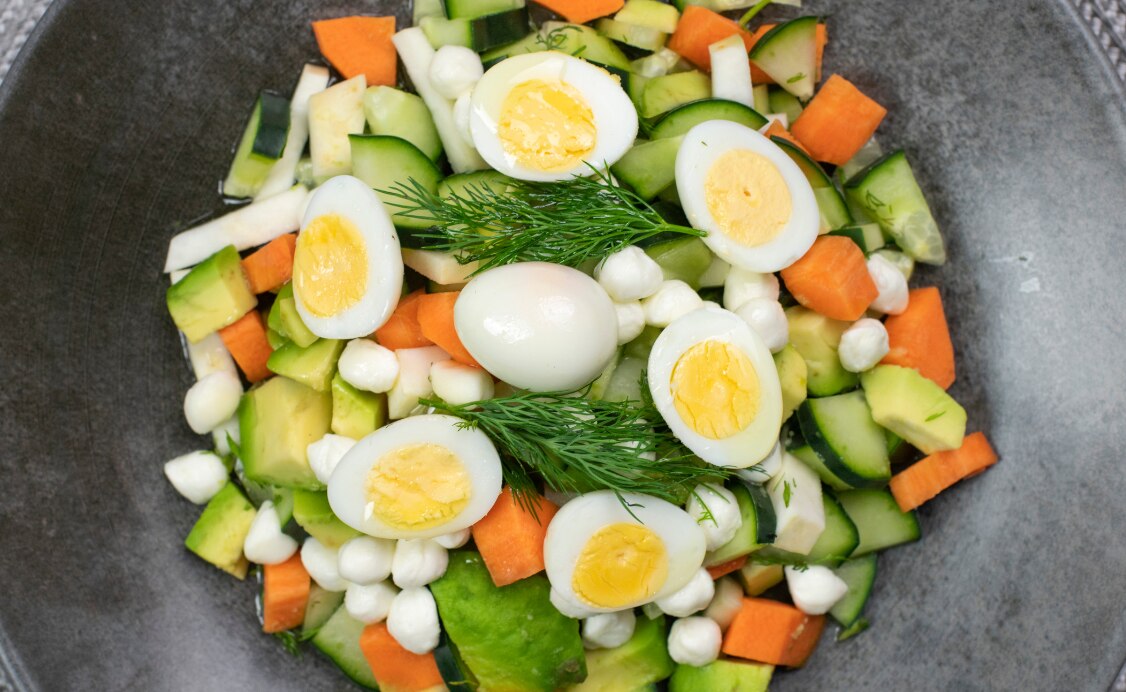
Kapampangan Sipo Egg (Mixed Vegetables and Quail Eggs in Creamy White Sauce)
When a dish hails from Pampanga, often recoginzed as the culinary capital of the Philippines, expectations are naturally high. Sipo egg lives up to the reputation with its colorful mix of vegetables and quail eggs coated in a rich, creamy white sauce. This classic dish is surprisingly simple to prepare, making it an easy way to bring a taste of Pampanga to your table.
- 30 min.
- 4 People
- Easy
Ingredients
- 1 tablespoon oil
- 3 tablespoons unsalted butter
- 3 cloves garlic (minced)
- 1 piece small white onion (chopped)
- 2 cups frozen mixed vegetables (peas, corn, and carrots)
- 1/2 cup singkamas (cubed to be the same size as frozen vegetables)
- 1 pack Knorr Cream of Mushroom Soup
- 1 dozen quail eggs (boiled and peeled)
- 1/2 cup all-purpose cream (optional)
- 2 cups water
What Is Sipo Egg?
Sipo egg is a Kapampangan dish made with quail eggs and mixed vegetables cooked in a rich, creamy white sauce. While the origin of the name “sipo” is not clearly defined, the dish itself is known for its smooth, savory sauce and balanced mix of textures. It’s a traditional mainstay at grand fiestas and wedding banquets, but it can also be an everyday ulam because it’s simple to prepare.
What Makes Sipo Egg Creamy?
The signature richness of sipo egg comes from its thick, savory white sauce. Traditional versions slowly reduce milk or cream, but you can also use Knorr Cream of Mushroom Soup to achieve a creamy texture in less time. A final swirl of all-purpose cream adds extra smoothness and helps the sauce coat every ingredient.
Traditional Sipo Egg Ingredients
Sipo egg brings together quail eggs and a colorful mix of vegetables such as peas, carrots, and sometimes corn. Many cooks use frozen vegetable blends to save prep time while keeping the dish vibrant and convenient to prepare. For its signature Kapampangan texture, the dish often includes singkamas (jicama), while some versions add shrimp or cashews for extra flavor.
Sipo egg is a Kapampangan dish made with quail eggs and mixed vegetables cooked in a rich, creamy white sauce. While the origin of the name “sipo” is not clearly defined, the dish itself is known for its smooth, savory sauce and balanced mix of textures. It’s a traditional mainstay at grand fiestas and wedding banquets, but it can also be an everyday ulam because it’s simple to prepare.
What Makes Sipo Egg Creamy?
The signature richness of sipo egg comes from its thick, savory white sauce. Traditional versions slowly reduce milk or cream, but you can also use Knorr Cream of Mushroom Soup to achieve a creamy texture in less time. A final swirl of all-purpose cream adds extra smoothness and helps the sauce coat every ingredient.
Traditional Sipo Egg Ingredients
Sipo egg brings together quail eggs and a colorful mix of vegetables such as peas, carrots, and sometimes corn. Many cooks use frozen vegetable blends to save prep time while keeping the dish vibrant and convenient to prepare. For its signature Kapampangan texture, the dish often includes singkamas (jicama), while some versions add shrimp or cashews for extra flavor.
Nutritional Data
- Nut free
- Pregnancy safe
- wheat free
Related Recipes
-
![ROASTED APPLE CHICKEN WITH CINNAMON GLAZE 45 mins recipe]()
Roast Chicken with Apple and Cinnamon Glaze Recipe
-
TotalTime45 mins
-
Servings 4
people
-
Difficulty Easy
-
-
![Deviled Eggs 25 mins recipe]()
Creamy Deviled Eggs Recipe for Your Next House Party
-
TotalTime25 mins
-
Servings 6
people
-
Difficulty Easy
-
-
![Cream of Pumpkin Valentines 45 mins recipe]()
Easy Pumpkin Soup for Creamy Kalabasa Soup Lovers
-
TotalTime45 mins
-
Servings 4
people
-
Difficulty Easy
-


Sauté the Aromatics Heat oil and butter in a pot over medium heat. Add garlic and onion, then sauté until fragrant and the onion becomes translucent.
Cook the Vegetables Add frozen vegetables and singkamas into the pot. Cook until the vegetables are heated through and slightly tender.
Build the Creamy Sauce In a bowl, dissolve Knorr Cream of Mushroom Soup in water. Pour mixture into the pot. Stir well and let it simmer until the sauce thickens slightly.
Add the Quail Eggs and Finish the Dish Gently stir in the quail eggs and all-purpose cream, if using. Cook briefly until everything is heated through, then serve the sipo egg warm. Tip: For an even creamier sipo egg, you can replace the all-purpose cream with heavy cream.