Skip to:

10 Types of Lettuce and How to Use Them in Everyday Cooking
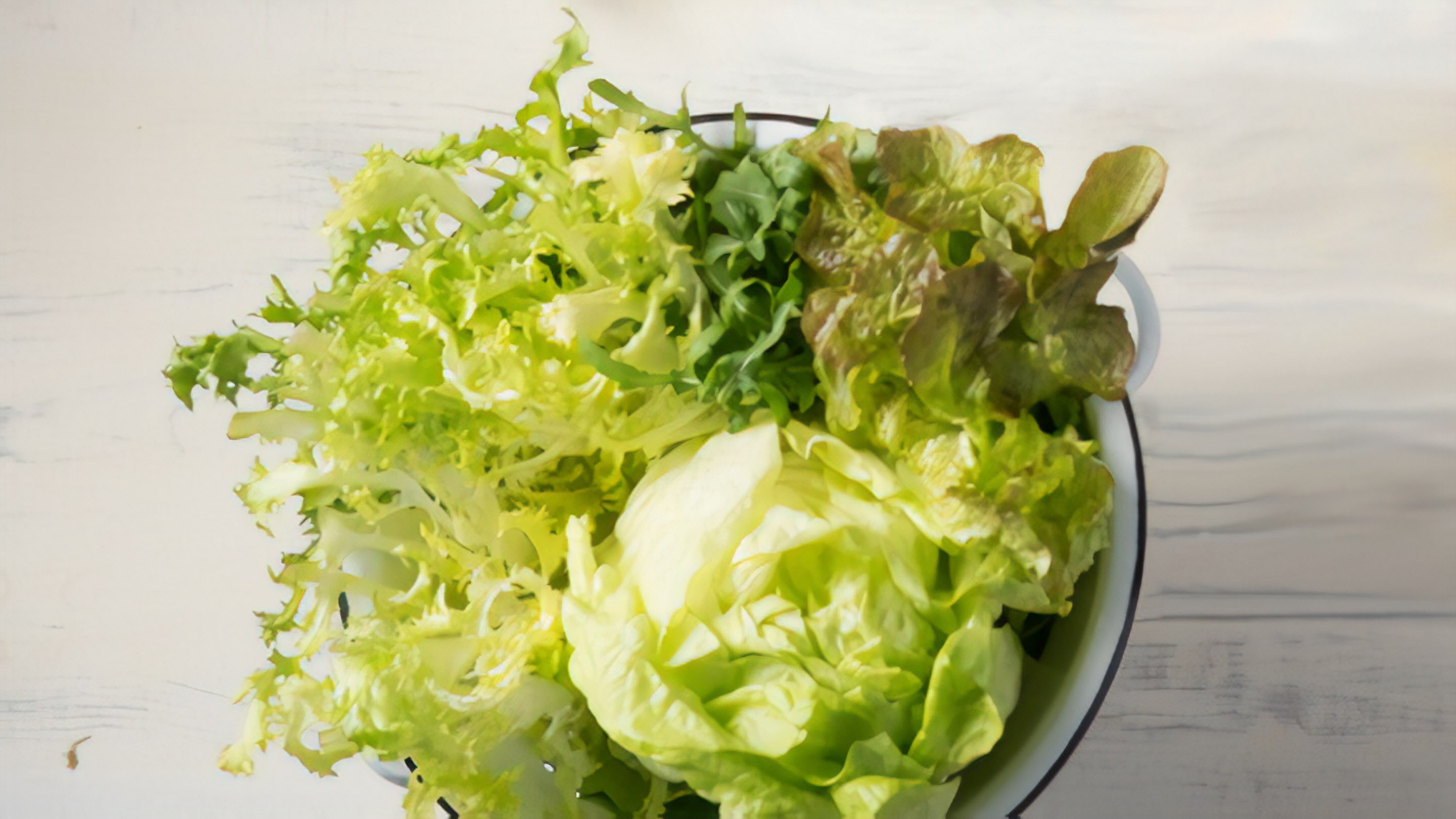


Lettuce often ends up on the shopping list when you’re trying to eat healthier or putting together a quick salad. But there’s much more to this leafy green than simply being a diet staple. The different types of lettuce bring their own character to a dish. A crisp variety can make a sandwich more enjoyable, while a tender one works beautifully in wraps and other fresh meals.
With more kinds of lettuce now available in wet markets and supermarkets, home cooks have plenty of options to explore. What once seemed like a simple ingredient can open the door to new flavors at the table. This guide explores the most common lettuce varieties available in the Philippines and shares practical ways to use them, along with recipe ideas that make every leaf count.
Different Types of Lettuce Explained
A head of lettuce may look simple at first glance, but there’s plenty of variety hiding within those green leaves. These are some of the most common lettuce varieties available in the Philippines and the reasons home cooks keep coming back to them.
1. Iceberg lettuce
Iceberg lettuce is one of the most recognizable and widely available lettuce varieties in the Philippines. Its tightly packed head and pale-green leaves deliver a refreshing crunch that works well in many dishes. You’ll commonly find iceberg lettuce in supermarkets and many wet markets.
Iceberg lettuce contains about 95% water. This contributes to its refreshing bite and makes it one of the lowest-calorie lettuce varieties available. It also contains small amounts of vitamin K and folate.
Lettuce Category: Crisphead lettuce
Best Uses: Chopped salads, wedge salads, taco fillings, sandwiches, burgers
Recipes to Try:
2. Butterhead lettuce
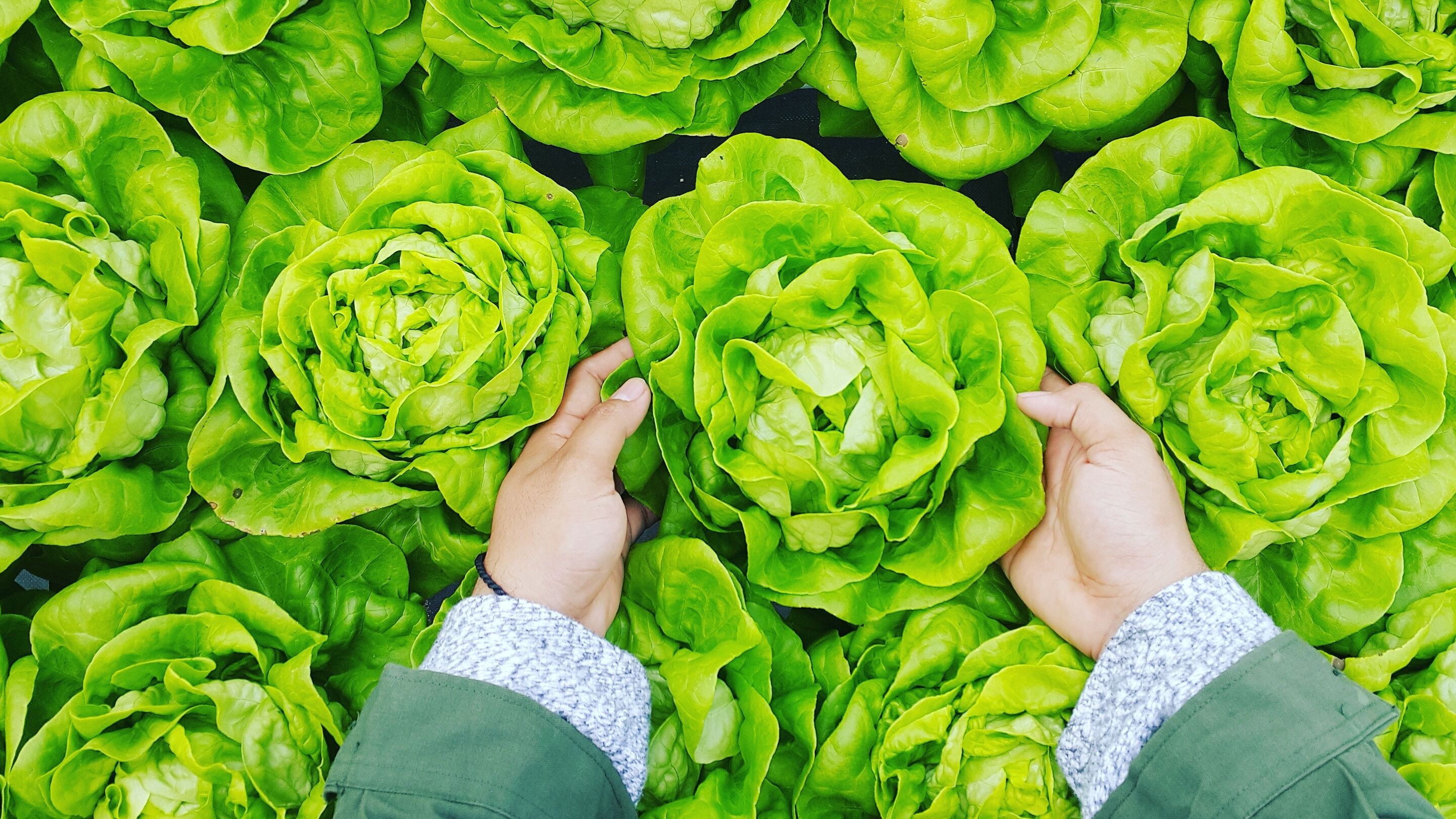
Butterhead lettuce is known for its soft, tender leaves and loosely formed head. Its mild, slightly sweet flavor pairs well with a wide range of ingredients. Unlike iceberg lettuce, butterhead does not offer much crunch. Instead, its pliable leaves work well for wraps, lettuce cups, and fresh dishes. You’ll often find butterhead lettuce in supermarkets and many hydroponic farms and weekend markets
This lettuce contains vitamin A, vitamin C, and folate. Its broad leaves are flexible yet sturdy. That’s why butterhead lettuce works well in wraps and lettuce cups.
Lettuce Category: Butterhead lettuce
Best Uses: Salads, sandwiches, wraps, lettuce cups, bed for appetizers
Recipes to try:
3. Romaine lettuce
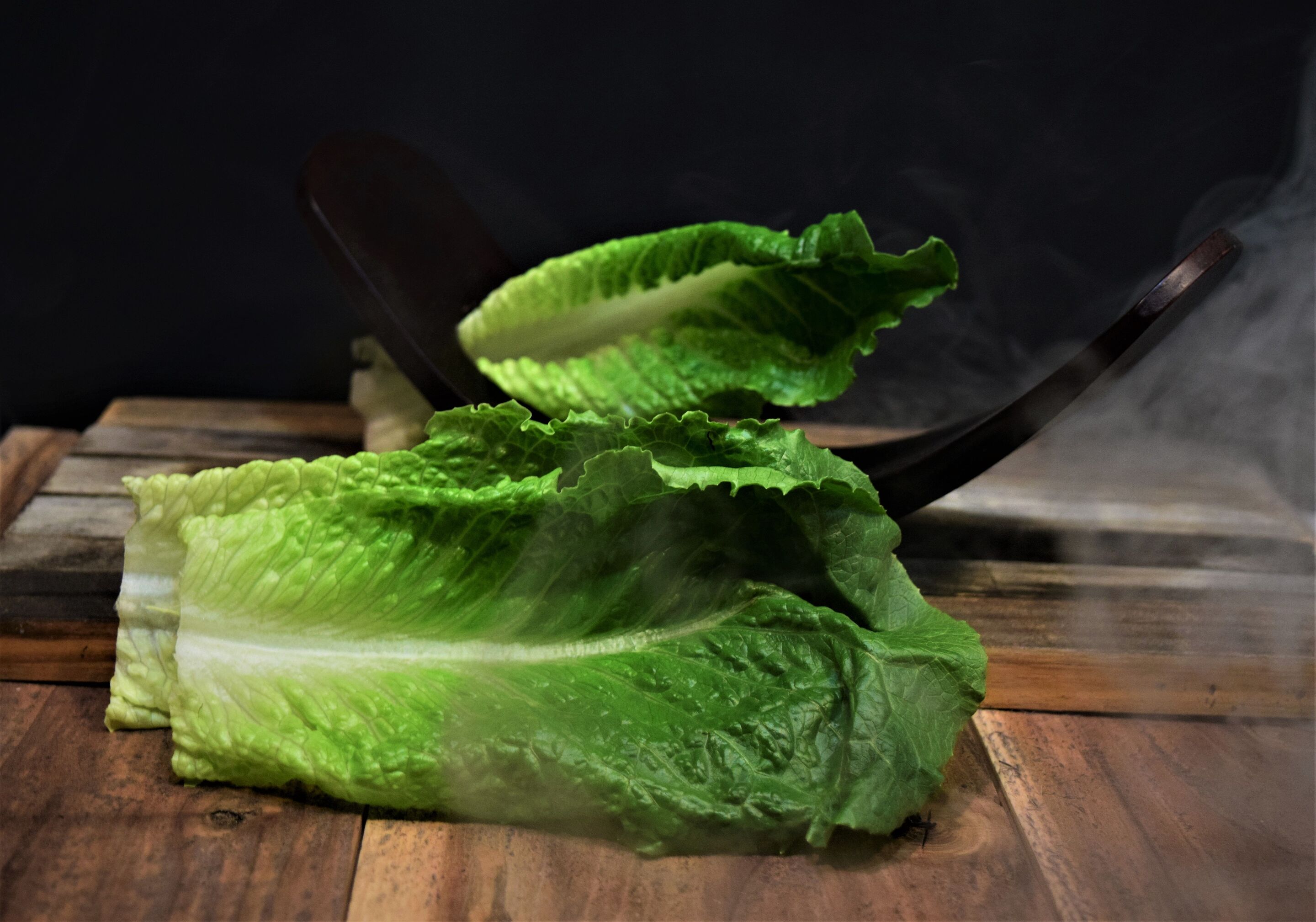
Romaine lettuce is best known as the classic lettuce used in Caesar salad. It has long, upright leaves with a crisp texture and a slightly bitter flavor that adds depth to many dishes. Unlike more delicate lettuce varieties, romaine holds its structure well and stays crisp longer.
Its thick center rib adds extra crunch, while the leaves can handle heavier dressings without becoming limp. Try it with a dressing made with Lady’s Choice Real Mayonnaise for salads with a rich, creamy finish.
Lettuce Category: Romaine lettuce
Best Uses: Salads, wraps, lettuce wraps, sandwiches, grilled romaine
Recipes to Try:
4. Curly green lettuce
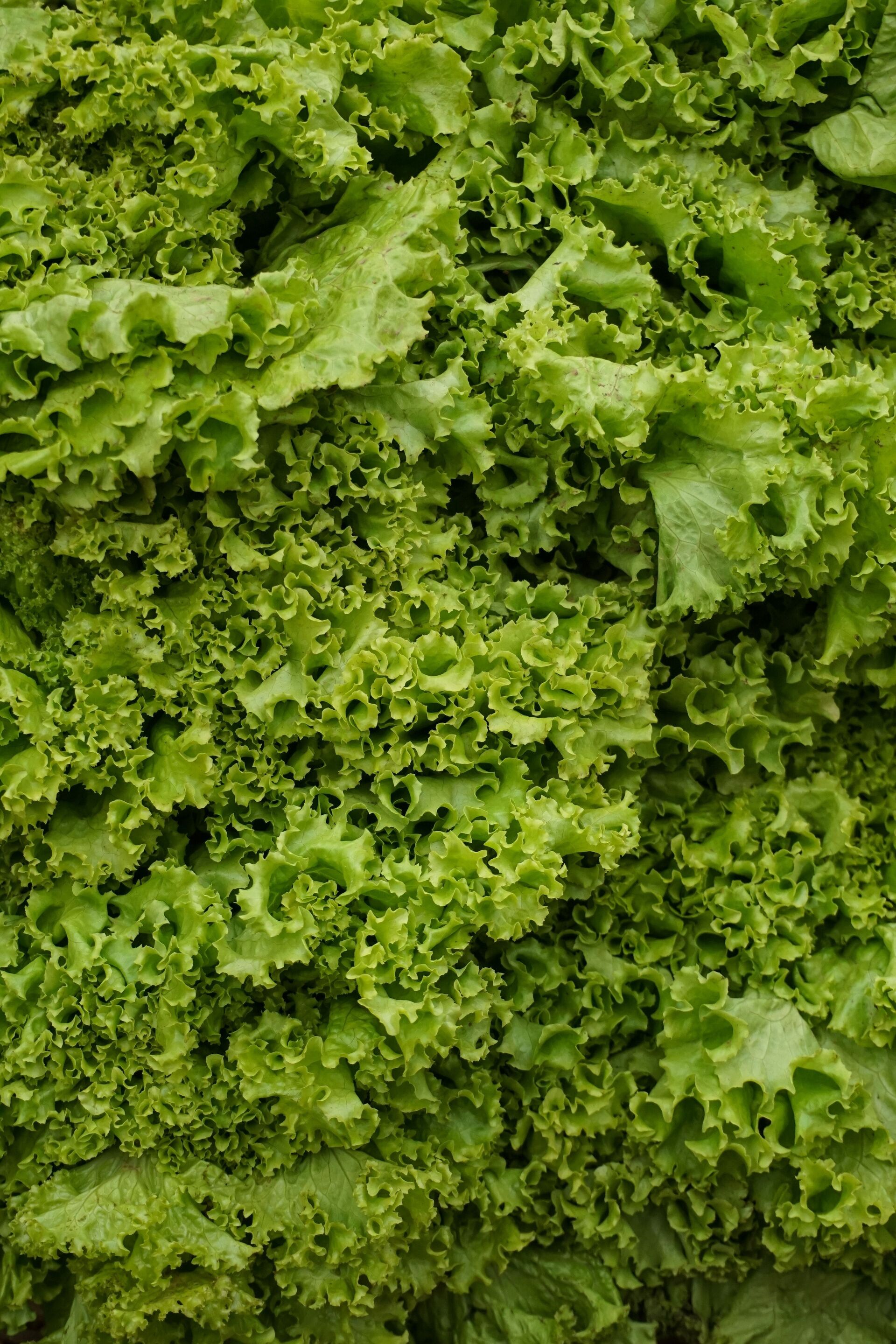
Curly green lettuce stands out for its ruffled leaves and vibrant green color. Its crisp texture and mild flavor make it easy to pair with a wide range of ingredients. The frilly edges also add visual appeal, which is why this variety often appears in salads, appetizer platters, and food presentations.
Its leaves are more structured than butterhead lettuce but less dense than romaine. This balance gives curly green lettuce enough body to hold its shape while still delivering a light, delicate bite. In the Philippines, curly green varieties are also popular for Korean BBQ or samgyupsal. Their broad leaves make convenient wraps for grilled meat and other fillings.
Lettuce Category: Loose leaf lettuce
Best Uses: Salads, sandwiches, base for appetizers and light meals, garnish for platters
Recipes to Try:
5. Lollo rosso or lolla rossa
Lollo rosso lettuce is easy to spot because of its curly leaves and deep red to purplish color. It belongs to the lollo lettuce family, which also includes lollo bionda, the green variety commonly sold alongside it. Compared to many other lettuce types, lollo rosso has a slightly more pronounced bitterness that adds contrast to salads and other fresh dishes. Its vibrant color also makes it a popular choice for adding visual appeal to a plate.
Its leaves are soft and delicate with lightly ruffled edges. Lollo rosso works best when paired with other greens, as its flavor and color can help create a more interesting mix of textures and tastes.
Lettuce Category: Loose leaf lettuce
Best Uses: Mixed salads, garnish for dishes, sandwiches, wraps, base for appetizers
Recipes to Try:
6. Red leaf lettuce
Red leaf lettuce is known for its loose clusters of tender leaves that range from green at the base to reddish-purple at the tips. It has a milder flavor than lollo rosso, with just a hint of bitterness. The colorful leaves can brighten up a dish without overpowering other ingredients.
Lettuce Category: Loose leaf lettuce
Best Uses: Mixed salads, sandwiches, wraps, burger toppings, appetizer platters
Recipes to Try:
7. Oak leaf lettuce
Oak leaf lettuce gets its name from leaves that resemble the shape of oak tree leaves. It has a delicate texture and a mild, slightly nutty flavor that makes it fun to pair with many ingredients. The leaves can be green or red depending on the variety, and both add an elegant touch to fresh dishes. Unlike sturdier lettuces, oak leaf lettuce has a light and tender bite. It works best in recipes where its delicate texture can shine without being weighed down by heavy dressings.
Lettuce Category: Loose leaf lettuce
Best Uses: Salads, light lunches, wraps, appetizer platters
Recipes to Try:
8. Lollo bionda lettuce
Lollo bionda is the green counterpart of lollo rosso. It features tightly curled leaves with a bright green color and a milder flavor profile. While lollo rosso contributes a slight bite, lollo bionda offers a fresher and more neutral taste that blends easily with other greens.
Lettuce Category: Loose leaf lettuce
Best Uses: Mixed salads, sandwich fillings, wraps, garnish for platters
Recipes to Try:
9. Batavia lettuce
Batavia lettuce, sometimes called summer crisp lettuce, combines qualities from both crisphead and loose-leaf varieties. It has thick, wavy leaves with a satisfying crunch near the base and a more tender texture toward the edges. This balance makes it one of the more versatile lettuce varieties available.
Batavia lettuce stands up well to dressings and hearty toppings without losing its texture too quickly. Its mild flavor allows it to work in everything from simple salads to substantial sandwiches.
Lettuce Category: Summer crisp lettuce
Best Uses: Hearty salads, sandwiches, burgers, wraps
Recipes to Try:
10. Little gem lettuce
Batavia lettuce, sometimes called summer crisp lettuce, combines qualities from both crisphead and loose-leaf varieties. It has thick, wavy leaves with a satisfying crunch near the base and a more tender texture toward the edges. This balance makes it one of the more versatile lettuce varieties available.
Batavia lettuce stands up well to dressings and hearty toppings without losing its texture too quickly. Its mild flavor allows it to work in everything from simple salads to substantial sandwiches.
Lettuce Category: Summer crisp lettuce
Best Uses: Hearty salads, sandwiches, burgers, wraps
Recipes to Try:
10. Little gem lettuce
Little gem lettuce may look like a smaller version of romaine, but it has a character all its own. Its compact heads combine the crispness of romaine with the sweetness and tenderness often associated with butterhead lettuce. The leaves are sturdy enough for grilling and hearty salads, yet tender enough for fresh preparations.
Lettuce Category: Mini romaine lettuce
Best Uses: Salads, lettuce cups, grilled lettuce dishes, wraps
Recipes to Try:
What Are the Benefits of Lettuce?
Lettuce does more than add color and crunch to a meal. While different lettuce varieties offer slightly different nutritional profiles, most share several practical benefits:
-
Low in calories: Lettuce adds volume and texture to meals without significantly increasing calorie intake.
-
Contains dietary fiber: Fiber supports digestion and can help you feel satisfied for longer.
-
Provides vitamins and minerals: Many lettuce varieties contain nutrients like vitamin A, vitamin K, and folate. Darker green and red varieties generally contain higher amounts than lighter varieties.
-
Contributes to hydration: Most lettuce types contain more than 90% water, making them a refreshing addition to meals.
-
Makes it easier to eat more vegetables: Lettuce works in salads, sandwiches, wraps, and rice bowls, making vegetables more accessible for everyday meals.
How to Buy, Store, and Prepare Lettuce
A good head of lettuce can stay fresh and crisp for days when handled properly. These simple tips can help you get the best quality from the market to the table.
What is the difference between lettuce and cabbage?
Lettuce and cabbage may look similar, but they are different vegetables. Lettuce generally has softer leaves and a milder flavor, while cabbage has thicker leaves and a firmer bite. Lettuce is often eaten fresh, while cabbage holds up better to longer cooking methods like sautéing and simmering.
How to pick fresh lettuce in the market
Look for lettuce with vibrant color and leaves that feel crisp and firm to the touch. Avoid heads with slimy spots, excessive browning, or wilted leaves.
For head lettuces such as iceberg, butterhead, and romaine:
-
Choose heads that feel fresh and compact for their size.
-
Check the outer leaves for signs of damage or discoloration.
-
Avoid heads with soft or mushy areas near the base.
For loose leaf varieties:
-
Look for leaves that stand upright and appear fresh.
-
Avoid bunches with yellowing leaves or excessive moisture.
How to store lettuce at home to keep it crisp longer
Store lettuce in the refrigerator as soon as possible after purchase. Remove any damaged outer leaves and keep the lettuce dry, as excess moisture can speed up spoilage.
For whole heads, wrap them loosely in paper towels before placing them in a container or resealable bag. If you’re storing loose leaves, line the container with paper towels to help absorb moisture. Whenever possible, keep lettuce in the crisper drawer, where it can stay fresh and crisp for longer.
Most lettuce varieties stay fresh for several days when stored properly. Head lettuce like iceberg and romaine generally last longer than loose leaf varieties.
How to wash and prep lettuce properly
Wash lettuce just before using it rather than before storage.
- Separate the leaves and discard any damaged pieces.
- Rinse thoroughly under cold running water.
- Gently shake off excess water.
- Dry the leaves using a salad spinner or clean kitchen towel.
- Tear or chop the lettuce according to your recipe.
Understanding the different types of lettuce can make a bigger difference in your cooking than you might expect. The right variety can add crunch to a sandwich, create a better salad, or hold fillings more effectively in wraps and lettuce cups. With so many kinds of lettuce now available in Philippine markets, choosing the best one for the job is easier than ever. Use this guide as your starting point, then put those greens to work with a few fresh recipes in your kitchen.

;Resize=(250,79))