Skip to:
Sign up for a more personalized Recepedia experience.
Already a member?

Added to your kitchen!
You can save 2 more recipes to your kitchen. Register to save more and make cooking a breeze!

Chefs’ Tips for Making a Classic French Omelette
5
Mins Read

Last Updated:
19/10/2026
Published:
29/10/2024
A classic French omelette should be soft to the touch and pillowy on the inside.
A French omelette has notable features: a soft-scrambled, custardy interior and a silky-smooth golden exterior. It’s common to see omelettes with slight variations. Some add delicate herbs like chives and tarragon to the egg mixture or fold a light cheese in the middle. But before you get there, you must learn the basic recipe first.
The omelette(alternatively spelled “omelet”) is notoriously known as the ultimate test in traditional professional kitchens. Seasoned chefs vet new cooks or sous-chefs by asking them to make their version. While it’s a simple dish, it entails precise techniques to execute.
However, it isn’t impossible to master the egg dish in the comfort of your kitchen. Here are tips from professional chefs to help you nail that French omelette recipe at home.
French Omelette Ingredients
You only need a handful of ingredients to make this dish.
Three eggs
Eggs are the star of the show! They have to be fresh and organic. Three is the perfect number of eggs to fit in an 8-inch pan.
Unsalted butter
Use the unsalted variety. It gives you better control of the seasoning of your dish.
White pepper and salt
Choose white pepper to season because specks of the black variety will show on the smooth, golden exterior.
Extra seasoning, herbs, or cheese
Customize by mixing chopped fresh chives, parsley, or tarragon into the beaten egg mixture. You can also tuck an ounce of cheese in the middle before folding. For extra umami, add crumbled Knorr Chicken Cubes to the base.
Tips to Nail a French Omelette Recipe
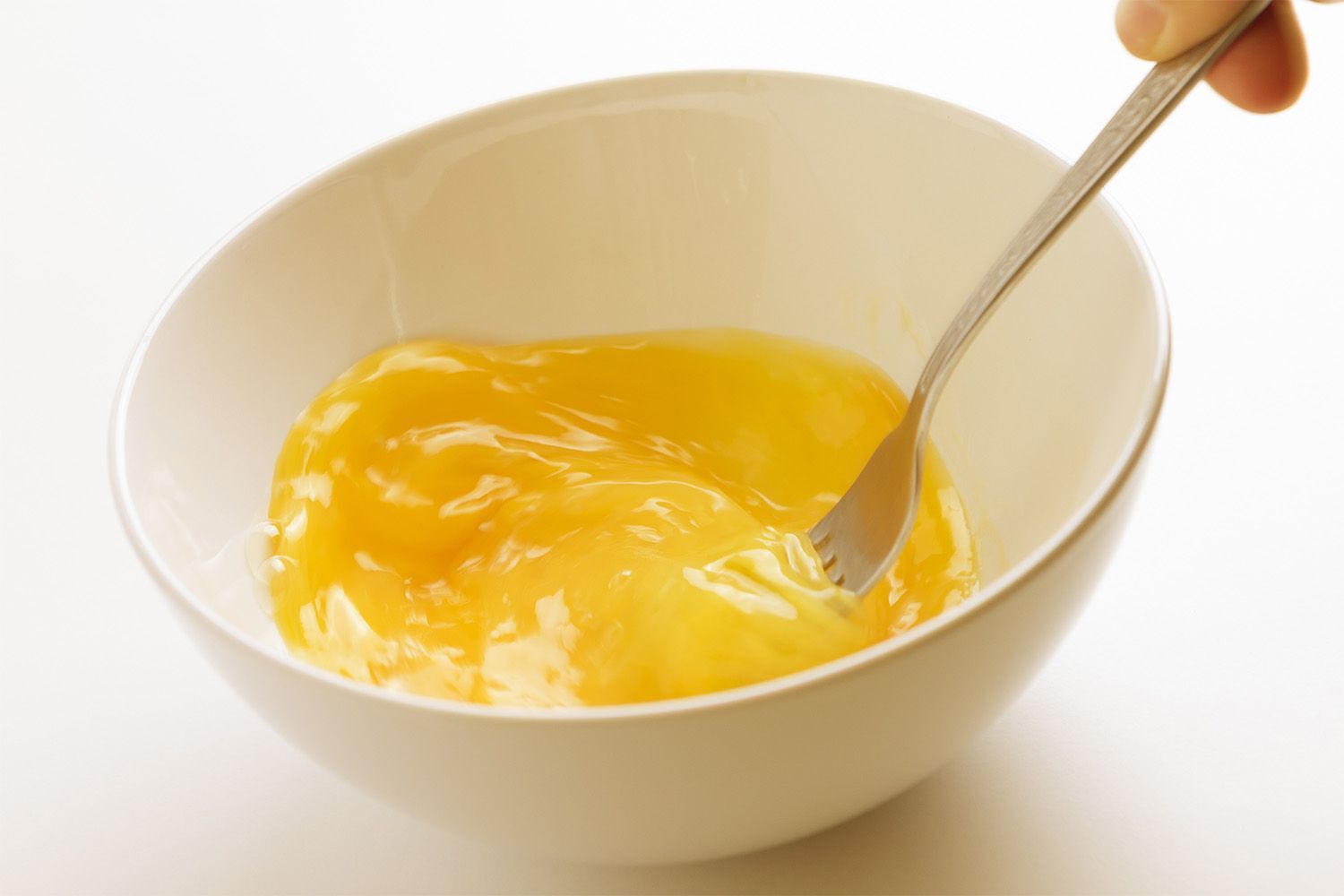
Proper technique and the correct tools are the key to nailing a French omelette recipe. Here are some tips from legendary French chefs Jacques Pépin and André Soltner to guide you when making this dish at home.
1. Use a fork, not a whisk, to beat your eggs.
According to André Soltner, you must beat your eggs enough to break up the whites, leaving no streaks behind. It should come out as one homogenized mixture to eventually cook an even omelette. Avoid using a whisk for beating as it can aerate or whip eggs too much, altering the tenderness and texture of your product.
2. Use a nonstick pan.
A nonstick surface is essential! Chefs are known to use seasoned carbon steel to make their omelettes, but a regular nonstick pan will do wonders for you. Jacques Pépin suggests using the bottom of a fork, with the tines facing up, when mixing your eggs to avoid scratching the nonstick surface.
3. Take the pan on and off the heat to create the perfect texture.
Do not overcook your eggs. The goal is to soft-scramble them just enough to stay light and custardy on the inside. But it also shouldn’t be too loose that there’s not enough beaten egg to form the outside layer. If you notice your pan getting too hot, take your pan on and off the heat to better manage your mixture.
4. Roll with ease with the help of more butter.
Notice that your mixture is almost there but not quite? Remove from heat and let it rest for a minute. This trick will help ensure that the bottom is ready for rolling. Hold the pan with your left hand and tilt it away from you. Gently lift the corner nearest your right hand and begin to roll. After the first turn, add some butter to the pan to help loosen the rest of the omelette.
How to Make a French Omelette
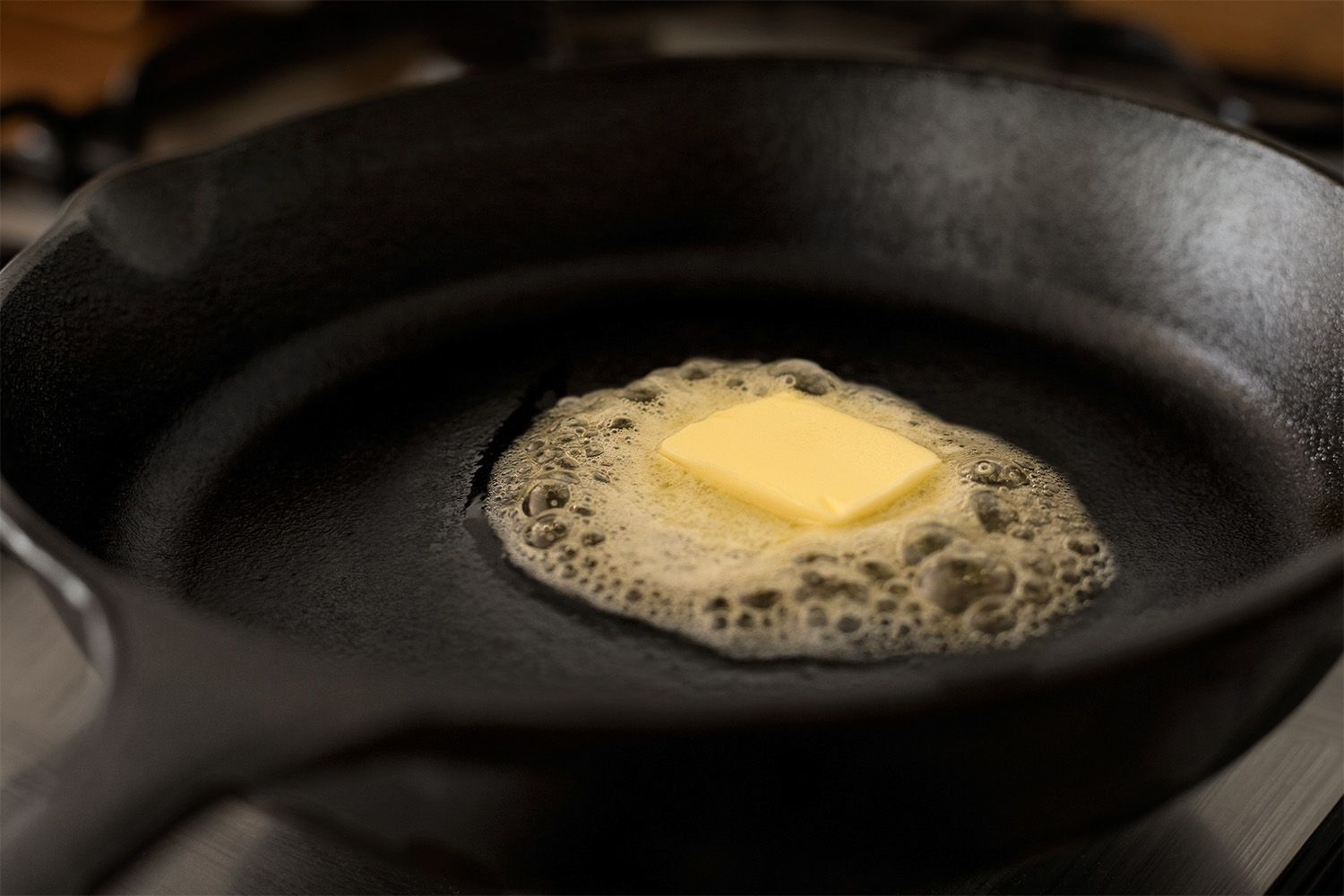
Now that you know the ingredients and tools for making a proper omelette, it’s time to get to work. Follow these steps:
- Prepare your pan. Place it over moderate heat and add a tablespoon of unsalted butter. Once the butter foams, the pan is ready.
- Beat the eggs. Using a fork, beat until smooth and completely combined. Season with white pepper, salt, and crumbled Knorr Chicken Cubes.
- Pour into the pan and stir. Use the flat side of a fork or a heatproof spatula to stir the egg. Avoid scratching the bottom of your nonstick pan. Once the egg looks close to a soft scramble, let it sit for a few seconds to form the outer layer.
- Roll the egg. Tilt the pan and start folding one turn at a time until you close the omelette. Flip onto a plate, seam-side down. Garnish with chopped chives.
Mastering the classic French omelette is a worthwhile goal for any home cook. Don’t feel discouraged if you fail on your first try. Use these tips and practice until it comes together seamlessly. Bon appétit!
Related Articles



- slide 1
- slide 2
- slide 3
- slide 4
As seen on






- slide 1
- slide 2
- slide 3
- slide 4
- slide 5
- slide 6