Skip to:

10 Common Chicken Parts and How to Cook Them
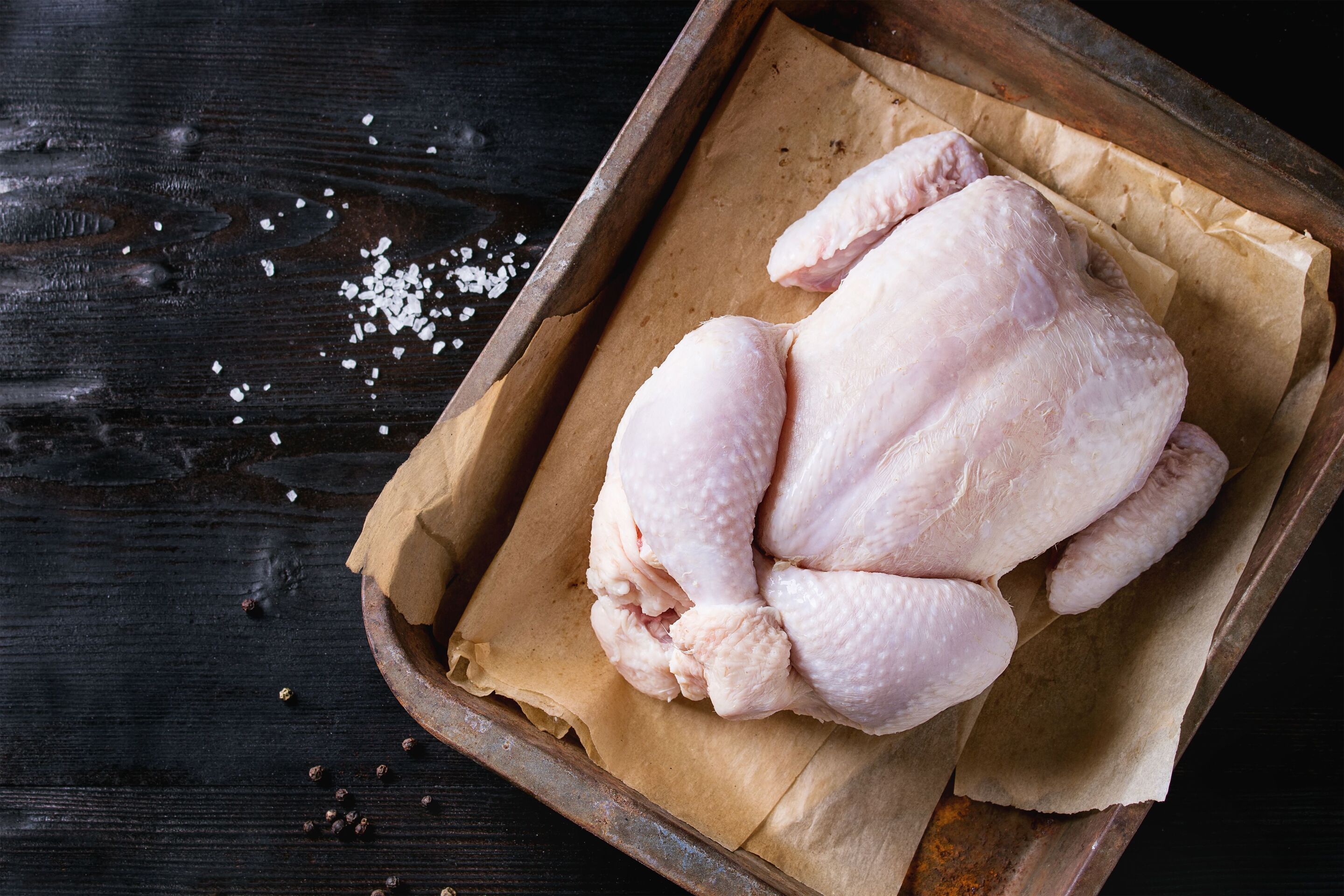


The best part of a chicken depends on what you’re cooking. Some chicken parts stay juicy in slow-cooked dishes, while others develop better flavor over high heat. Knowing the difference helps you make the most of every cut.
From everyday favorites like the breast and thigh to often-overlooked cuts like the neck, feet, and giblets, each part has its own strengths in the kitchen. Whether you’re shopping at the market or the grocery store, knowing the different chicken parts makes it easier to choose the right cut for every recipe. This guide explains the different cuts of chicken, how to cook them, and the recipes they suit best.
1. Chicken Breast
Chicken breast is the lean white meat found on either side of the breastbone. Its mild flavor, firm texture, and low fat content make it one of the most versatile cuts for everyday cooking. It also provides about 30 grams of protein per 100 grams of cooked meat.
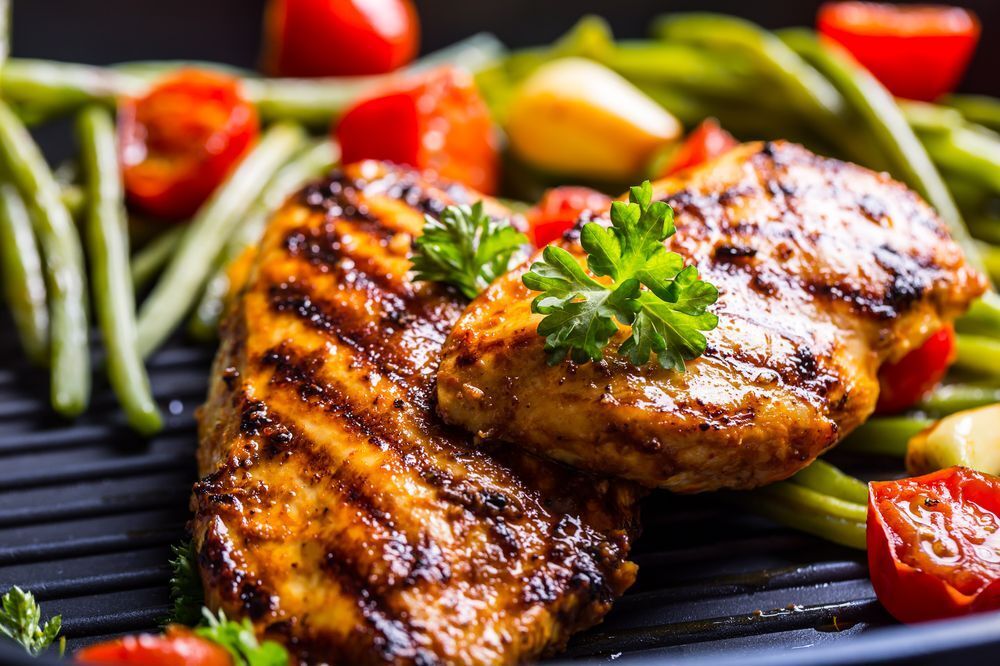
Common cooking methods: As the breast part of the chicken contains less fat than dark meat cuts, it can dry out when overcooked. Grilling, baking, roasting, and pan-frying help develop its flavor while keeping the meat tender. For easier cooking, slice it into even pieces or marinate it beforehand to add moisture and flavor.
Best dishes for this cut: Chicken breast is a great choice for arroz caldo, chicken sopas, and chicken salad. Its mild flavor easily absorbs rich broths, creamy sauces, and seasonings. It’s also easy to use in sandwiches, wraps, and rice bowls, whether boiled, grilled, or shredded.
2. Chicken Thighs
Chicken thighs are a dark meat cut taken from the upper part of the leg, just above the knee joint. The thigh part of the chicken contains more fat and connective tissue than chicken breast, so it has a richer flavor and a juicier texture. It also provides plenty of protein, which makes it a practical choice for everyday meals.
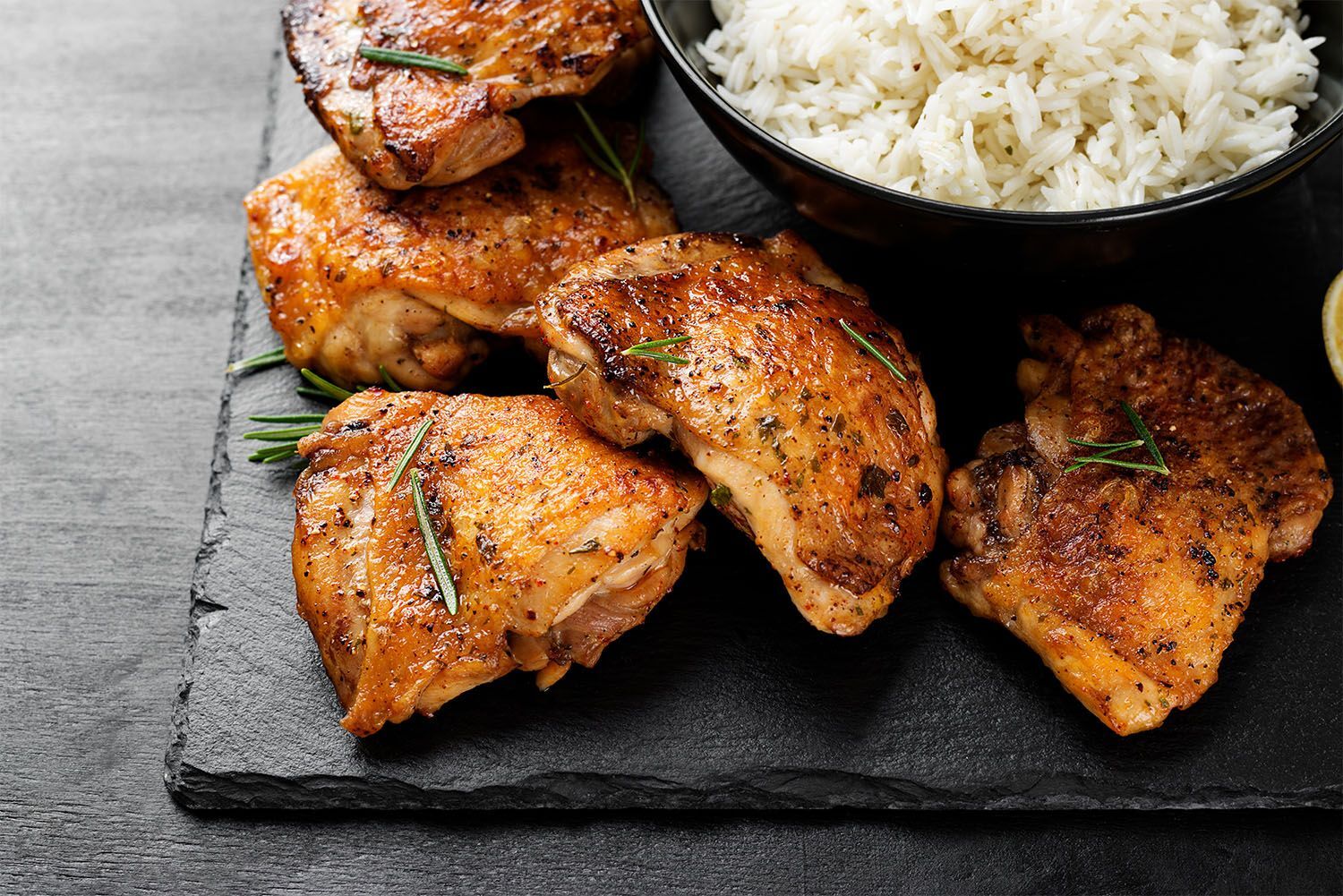
Common cooking methods: You can buy chicken thighs bone-in or boneless, with or without the skin. Bone-in, skin-on thighs add more moisture and flavor to dishes, while boneless cuts cook faster and are easier to portion. This cut works well for braising, stewing, roasting, and pan-frying, especially when you want meat that stays tender.
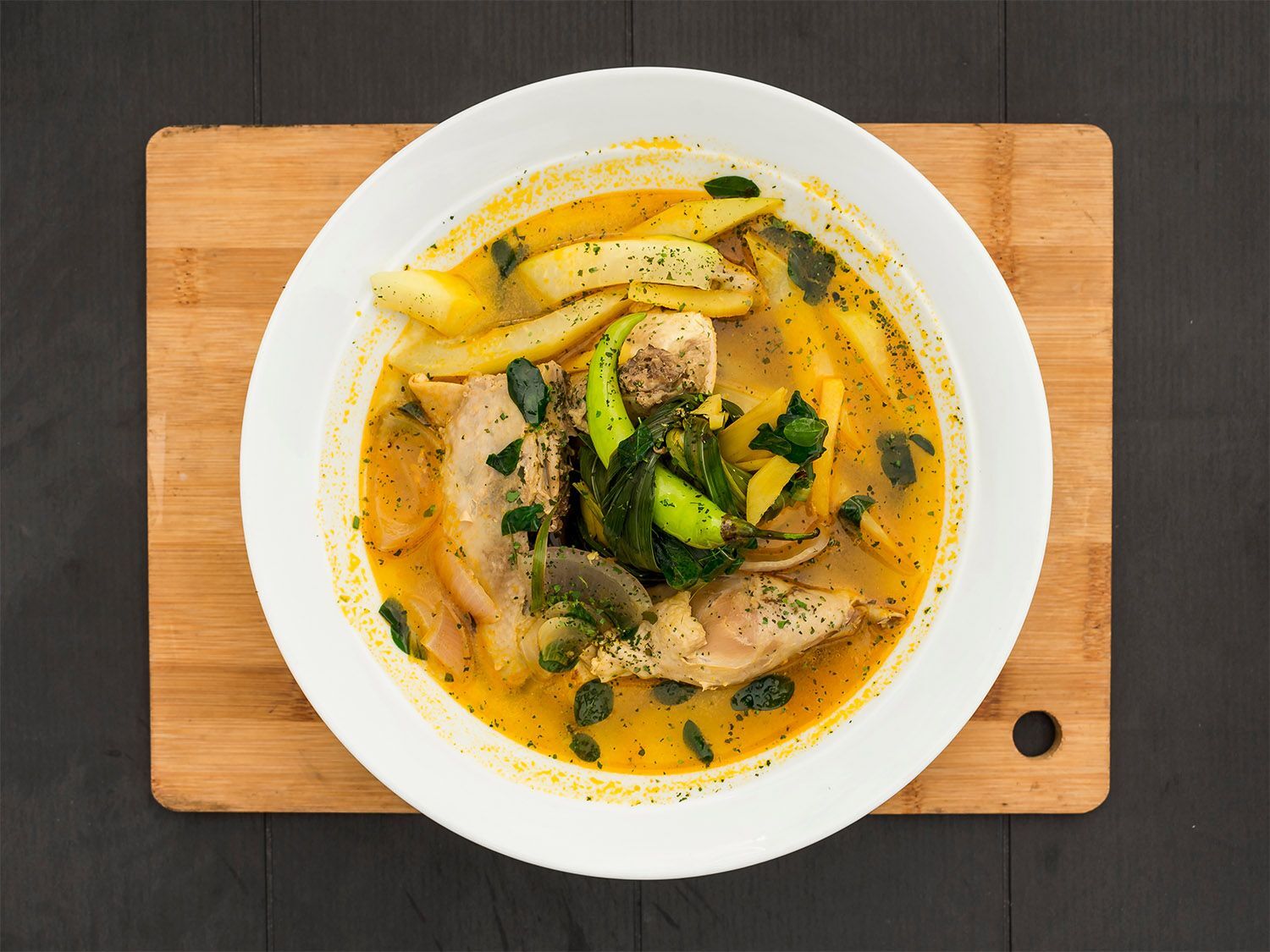
Best dishes for this cut: The thigh part of the chicken is great for slow-cooked dishes like chicken tinola, chicken curry, and chicken caldereta, where the meat has time to absorb the flavors of the broth or sauce. If using bone-in thighs, trim excess fat but keep the skin on when cooking soups and stews for extra flavor.
3. Chicken Drumsticks
Chicken drumsticks are the lower part of the chicken leg, found below the thigh joint. This dark meat cut contains more connective tissue than chicken breast, so it stays juicy and flavorful during cooking. Its built-in handle also makes it a favorite for everyday meals and gatherings.
Common cooking methods: The bones and skin help drumsticks stay moist, even with high-heat cooking. They work well for grilling, roasting, frying, and barbecuing. Marinate them ahead of time so the seasonings have time to penetrate the meat.
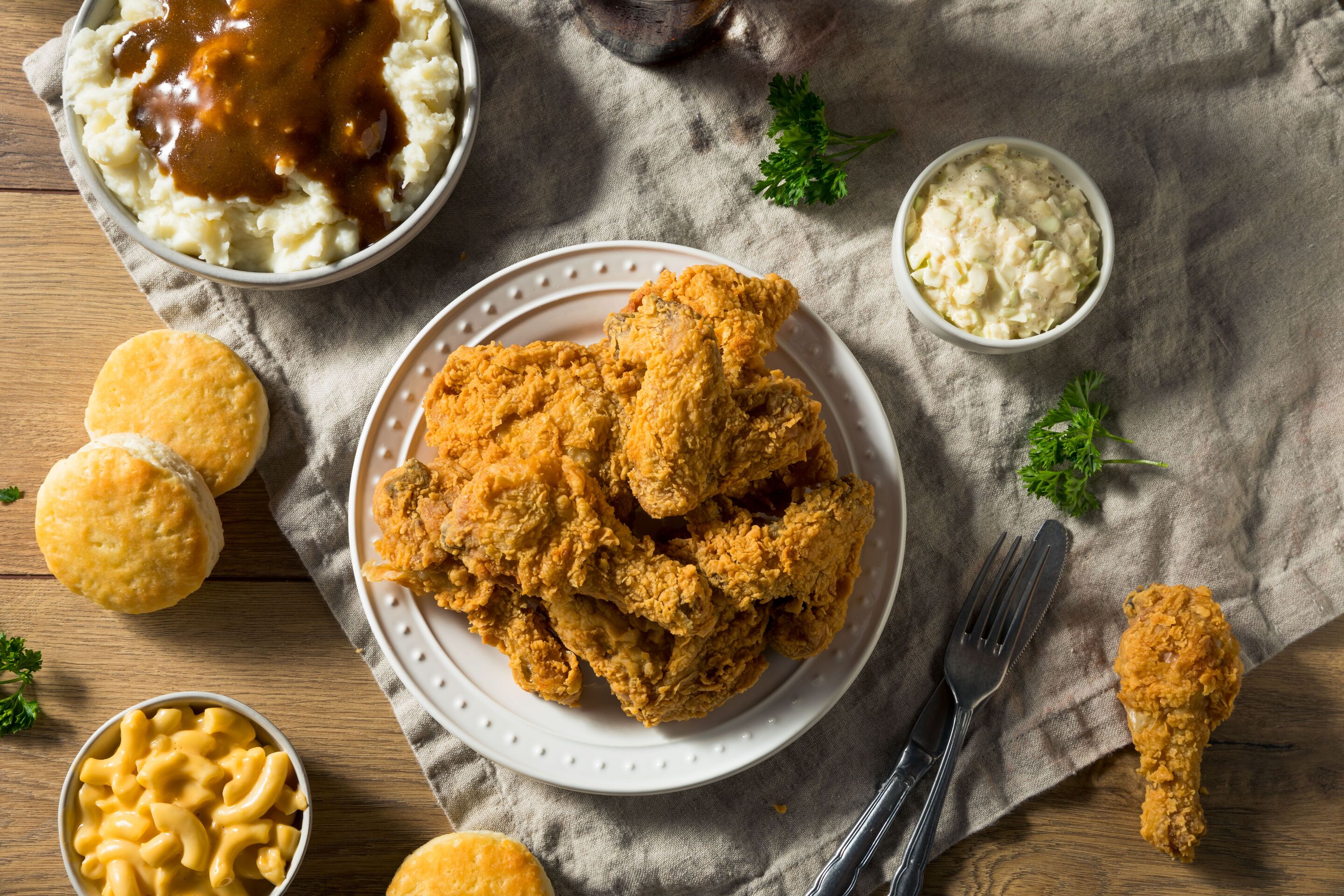
Best dishes for this cut: These crowd-friendly chicken parts are perfect for chicken inasal, Filipino-style chicken barbecue, and fried chicken. They also work well in braised dishes, where the meat becomes even more tender over time.
4. Chicken Wings
Chicken wing parts include: the drumette, wingette (or flat), and wing tip. Each section has its own balance of meat, skin, and bone, but all are known for their rich flavor and juicy texture. Plenty of skin and connective tissue also help keep the meat moist during cooking.
Common cooking methods: Chicken wings crisp beautifully when fried, baked, grilled, or air-fried. Pat the skin dry before cooking if you want a crispier finish. Toss the cooked wings in your favorite sauce or season them with a dry rub for extra flavor.
Best dishes for this cut: Chicken wings are perfect for recipes that deliver crisp skin and strong flavors. Try buffalo wings for a classic party favorite, Korean fried chicken wings for a sweet and spicy twist, or sampalok wings for a Filipino-inspired glaze that balances tangy and savory flavors.
5. Chicken Neck
Chicken neck is the section that connects the chicken’s head to its body. While it doesn’t contain much meat compared to larger parts of chicken meat, it’s one of the most affordable cuts available. It also contains plenty of skin, fat, bones, collagen, and connective tissue.
Common cooking methods: Because of its higher fat content, chicken neck develops a rich taste and tender texture when cooked slowly or crisped until golden. It works well when fried, braised, or simmered into soups and stocks, allowing the bones and connective tissue to release more depth into the dish. For a crispy texture, season the necks well and cook them until the skin turns crunchy.
Best dishes for this cut: Chicken neck is a budget-friendly choice for chicken soup, arroz caldo, and homemade chicken stock. Before cooking, clean the pieces thoroughly and trim excess fat to keep the final dish flavorful and appetizing. Add a Knorr Chicken Cube to soups or broths for a fuller flavor.
6. Chicken Ribs
Chicken ribs are the smaller bone-in cuts found along the chicken’s back, near the breast area. They contain small amounts of white meat attached to the rib bones and backbone. Because the meat sits close to the bone, this cut develops a deeper, savory flavor when cooked.
Common cooking methods: They work well in slow-cooked dishes like stews, soups, and braised recipes, where the bones add richness to the broth or sauce while the meat becomes tender. For best results, cook them gently over time to allow the flavors to develop.
Best dishes for this cut: Chicken ribs are a great addition to Filipino dishes like chicken afritada, chicken caldereta, and chicken binakol. Before cooking, clean the pieces well and trim any excess fat, especially when using them for broths or stews.
7. Chicken Feet
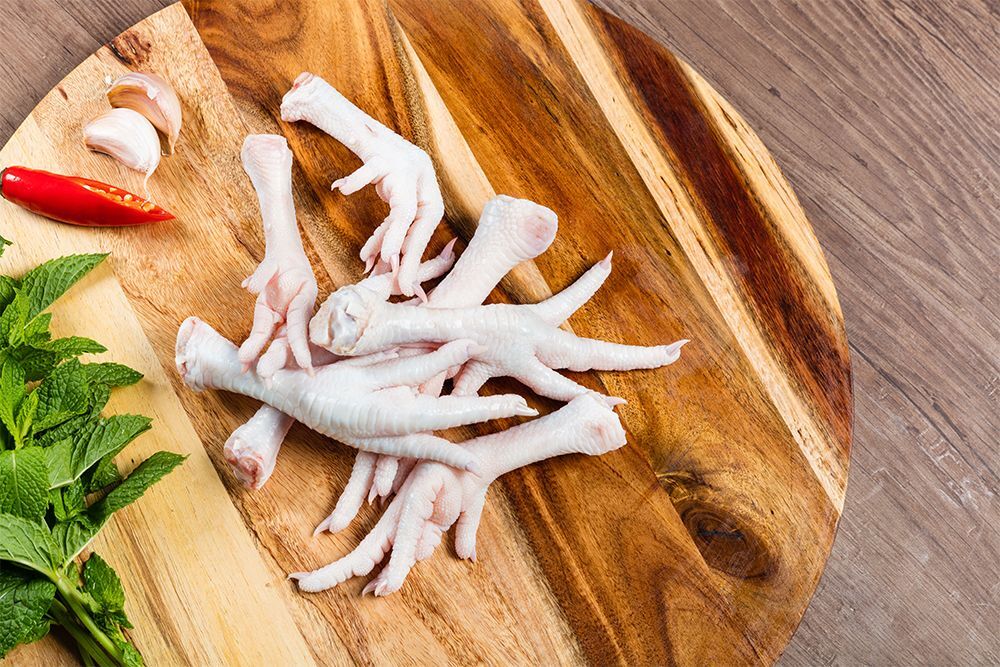
Chicken feet are one of the most overlooked chicken parts, yet they have long been prized in many Asian cuisines. They contain very little muscle meat and consist mainly of skin, bones, cartilage, and connective tissue. They’re also naturally rich in collagen.
Common cooking methods: Chicken feet become soft, tender, and slightly chewy after slow cooking. They are commonly deep-fried, braised, or simmered in sauces and broths, which helps soften the cartilage and allows the skin to absorb more flavor. Before cooking, clean them thoroughly by removing the yellow outer skin, rinsing well, and trimming the nails if desired.
Best dishes for this cut: Chicken feet are a flavorful addition to dishes like adobo sa paa, dim sum-style chicken feet, and Chinese-style soups.
Internal Parts of the Chicken: Giblets Worth Exploring
Internal parts of the chicken, also known as giblets, include the liver, gizzard, and other edible organs. Affordable and full of flavor, they have long been staples in Filipino cooking.
8. Liver
Chicken liver is a soft, nutrient-rich organ with a deep, savory flavor. It has a smooth texture and is one of the most affordable chicken parts available.
Common cooking methods: Chicken liver cooks quickly and works well for sautéing, stewing, pan-frying, or blending into sauces and spreads. Avoid overcooking because the texture can become dry and grainy.
Best dishes for this cut: Chicken liver adds richness to adobong atay, chicken menudo, and liver sauce for lechon or barbecue.
9. Gizzard
Chicken gizzard is a muscular part of the chicken’s digestive system with a firm, chewy texture. It’s an affordable cut that provides plenty of protein and develops a more tender bite after longer cooking.
Common cooking methods: Chicken gizzard works well when boiled, braised, grilled, or fried. Simmer it first if you prefer a softer texture before finishing it over higher heat.
Best dishes for this cut: Chicken gizzard is a favorite for adobong balunbalunan, grilled gizzard skewers, or savory stir-fries. It also makes a flavorful pulutan or rice topping.
10. Proben
Proben comes from the chicken proventriculus, a small part of the digestive system located near the gizzard. It has a firm, chewy texture and is one of the most popular chicken street food in the Philippines.
Common cooking methods: Proben is usually seasoned, coated in flour or breading, and deep-fried until crisp. Cook it over high heat to achieve a crunchy exterior while keeping the inside tender.
Best dishes for this cut: Proben is best enjoyed as classic Filipino street food with spiced vinegar or your favorite dipping sauce. It also pairs well with rice for a quick and affordable meal.
Every chicken part has something different to offer in the kitchen. Knowing when to use each cut helps you cook with more confidence, stretch your budget, and bring out the best flavor in every recipe. The next time you shop for chicken, look beyond your usual choices and discover how every part can earn a place on your table.