Skip to:
Sign up for a more personalized Recepedia experience.
Already a member?

Added to your kitchen!
You can save 2 more recipes to your kitchen. Register to save more and make cooking a breeze!

Easy Sukiyaki Recipe Better Than Restaurant Versions
3
Mins Read

Last Updated:
19/10/2026
Published:
24/03/2023
Craving Japanese food shouldn’t entail splurging beyond your budget. You don’t even have to dine at a restaurant or order through delivery apps to satisfy your appetite anymore. Why? Because you can already make the classics at home using common everyday ingredients. Start with this sukiyaki recipe to prove the point.
Are you looking for a fuss-free dish to cook over the weekend? Or are you expecting guests to visit? Bust out this tasty beef sukiyaki recipe on your day off or when friends or family come over. You’ll only need 30 minutes – or less if you decide to get other diners to participate. Just place a pot of boiling broth at the table and ask everyone to serve themselves proteins and veggies cooked on the spot. Sounds enticing? Here’s everything you need to start.
Ingredients for Sukiyaki
- 250 g beef loin, sliced thinly
- 1 pc red onion, sliced thinly
- 1 stalk spring onion, cut into 2-inch lengths
- 4 pcs shiitake mushrooms, trimmed
- 200 g vermicelli noodles, soaked in hot water and drained
- ¼ cup tofu cubes, pan-grilled
- 3 pcs bok choy, sliced
- 1½ to 2 cups water
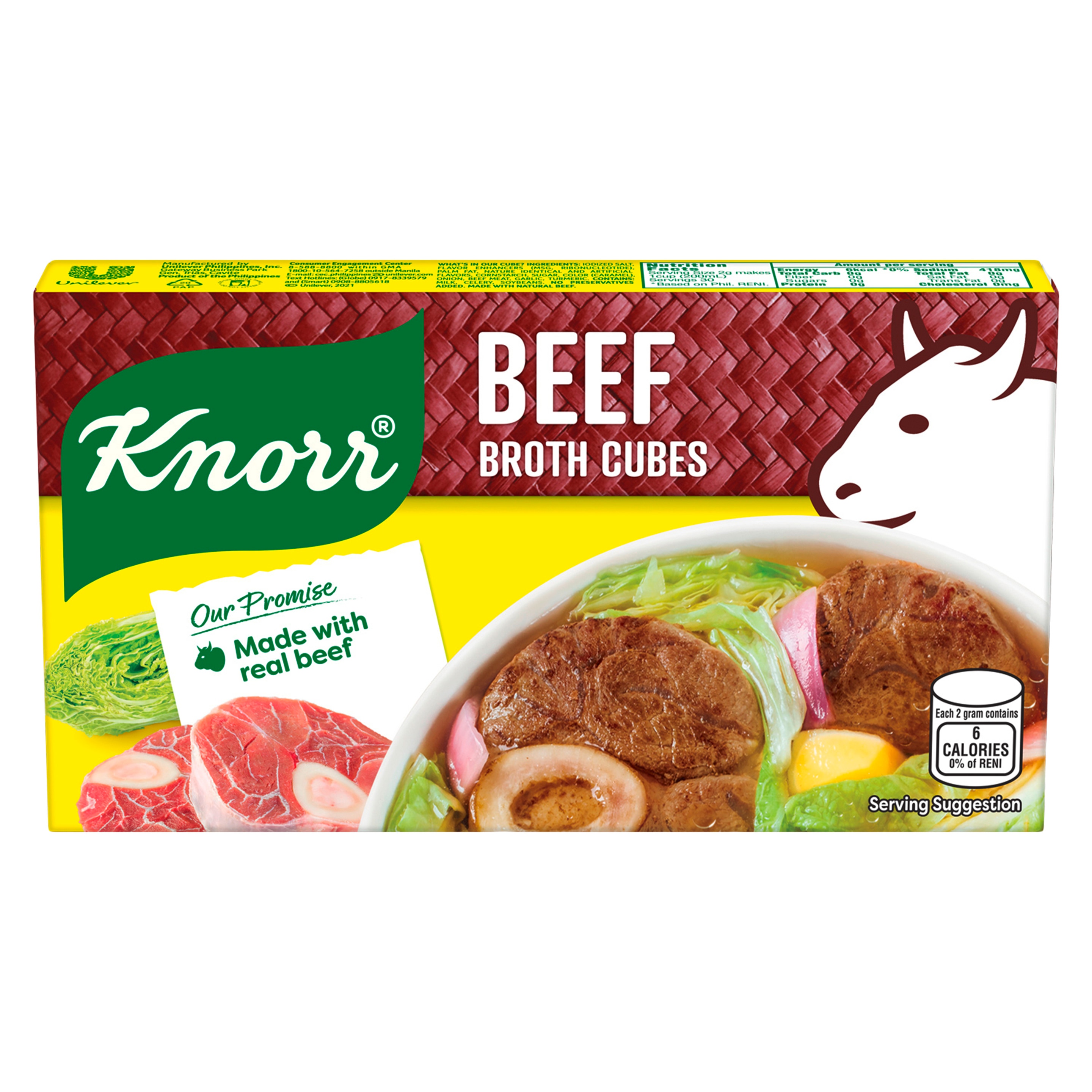
- 2 pcs Knorr Beef Cubes
- 2 tbsp soy sauce
- 1 tbsp sake
- ¼ cup sugar
- 2 tbsp mirin
How to Cook Beef Sukiyaki
Step 1 :
Arrange beef, onions, mushrooms, noodles, tofu, and bok choy in a large pot.
Step 2:
In another pot, combine water, Knorr Beef Cubes, soy sauce, sake, sugar, and mirin. Stir until combined, then bring to a boil. Lower heat and simmer for 2 minutes.
Step 3
Right before serving, pour broth into the first pot. Simmer until all ingredients are cooked through. Serve hot.
The Two Kinds of Sukiyaki
Did you know there are two types of sukiyaki? Each kind hails from a specific region in Japan. Learn how they differ:
Kansai-style
This dry method isn’t for beginners; the Japanese believe only skilled nabe bugyo (hot pot magistrate) can prepare it. Kansai-style sukiyaki starts by grilling beef slices in a cast-iron pot. Next, you’ll need to sprinkle the meat with sugar. And after caramelizing, you’ll add soy sauce to balance the flavors.
Compared to the Kanto-style, this type does not use dashi stock. Instead, the moisture from cooking the vegetables helps create the base. Others also add a bit of sake to keep the components from burning.
Kanto-style
Most people are familiar with the Kanto-style sukiyaki. The most noticeable feature of this version is its sauce. Warishita, or sukiyaki sauce, combines sake, mirin, soy sauce, and sugar to make a well-balanced base. Some dilute the mixture with dashi or water for a milder profile.
Like in the Kansai-style, you’ll also need to grill the beef in a cast-iron pot. Most people do this with a bit of sukiyaki sauce added for flavor. Once you’ve had your fill of meat, you can cook the remaining ingredients in the pot until tender.
Traditionally, well-marbled beef is the top choice for sukiyaki recipes. But that will cost more than your budget. Instead, ask your butcher for thinly sliced meat with just enough fat. Complete the experience by serving your hot pot with freshly cooked rice. You can also consider adding udon noodles to your bowl. The next time you crave Japanese food, say sayonara to dining out and food deliveries and start cooking this belly-busting meal!



Related Articles


- slide 1
- slide 2
- slide 3
- slide 4
As seen on






- slide 1
- slide 2
- slide 3
- slide 4
- slide 5
- slide 6