Skip to:
Sign up for a more personalized Recepedia experience.
Already a member?

Added to your kitchen!
You can save 2 more recipes to your kitchen. Register to save more and make cooking a breeze!
Jazz Up Mashed Potatoes with These Hacks
5
Mins Read

Last Updated:
19/10/2026
Published:
29/10/2024
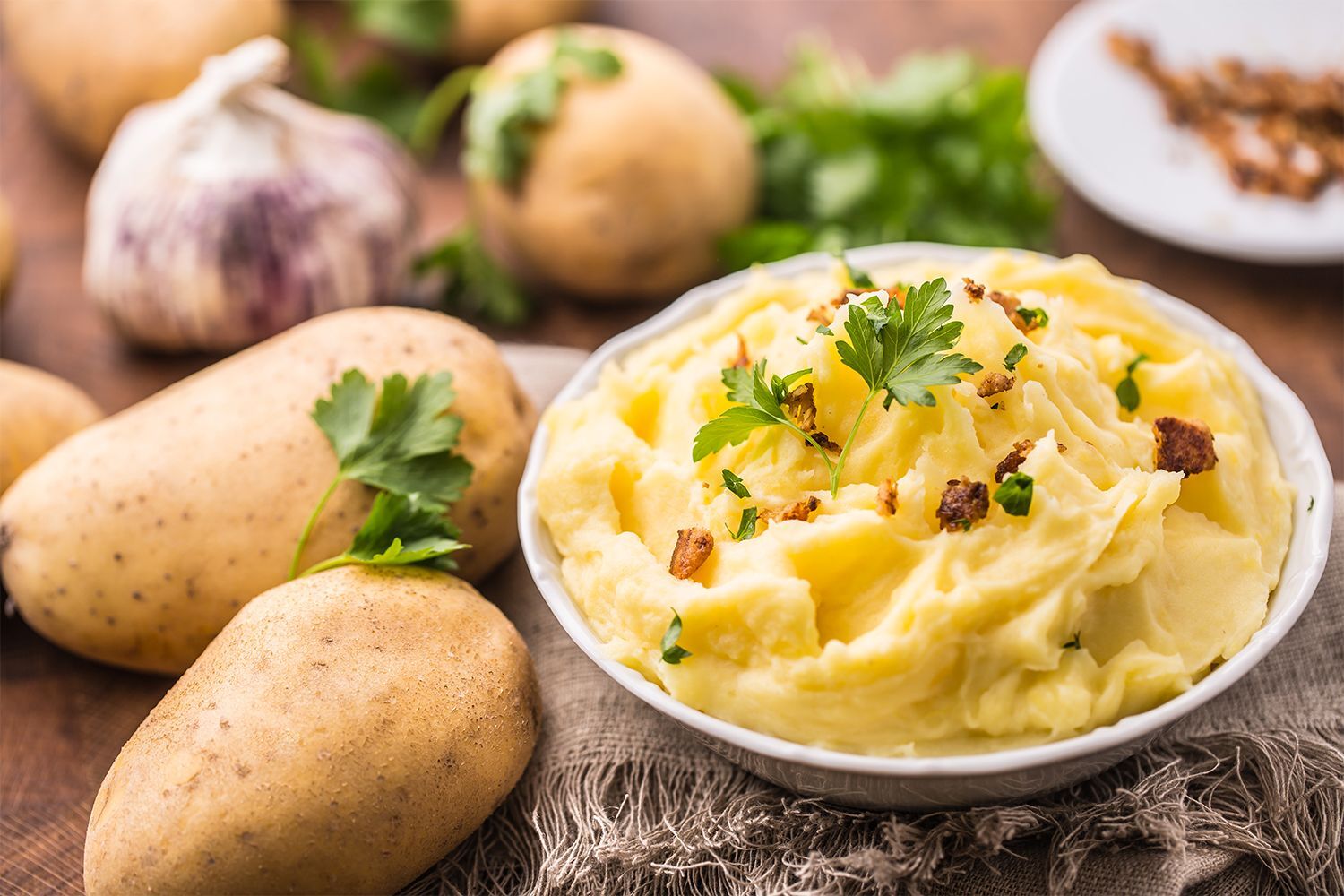
Mashed potatoes take on the role of sidekick for many meaty mains. How could it not when it's so simple and requires very few ingredients to make? The dish is also highly customizable. Unfortunately, only a few takes advantage of this. Instead, many people focus on the gravy for mashed potatoes than the spuds themselves.
And it doesn’t help that the advent of instant mash made people lazier. The side, which consists only of milk, butter, salt, pepper, and boiled potatoes, has been reduced to even fewer ingredients. Just add warm water to get a starchy garnish in minutes.
Sure, powdered potato mash is quick and convenient, but without the correct flavor enhancers, it's no different than the boring classic. Find the key to making delicious-tasting potatoes in the following hacks. Ready for the reveal?
How to Cook Mashed Potatoes Perfectly
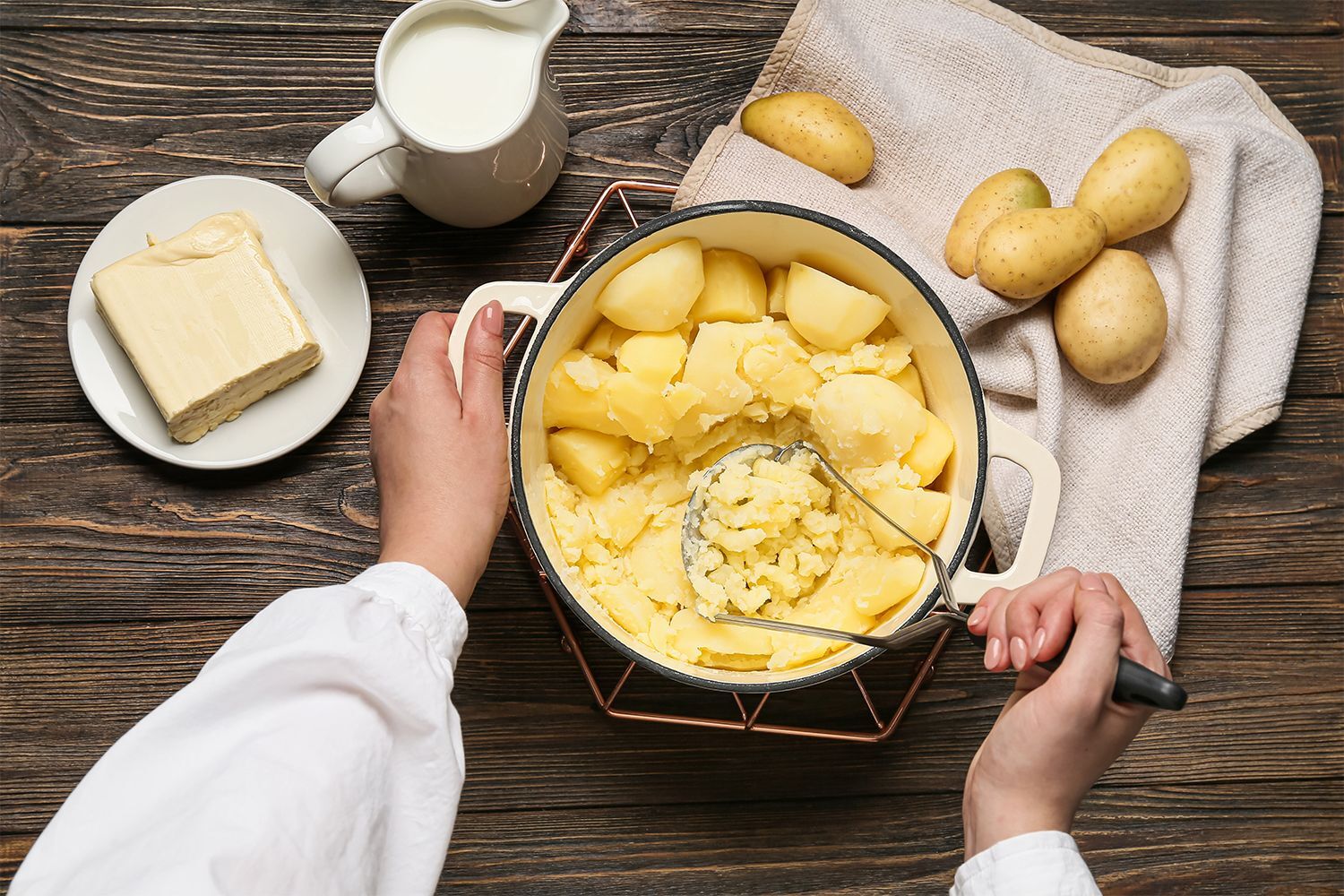
You can use fancy salts and the freshest herbs, but they can't fix poorly prepared potatoes. Before you jazz up your mash, first check out these cooking hacks.
Steam your potatoes.
Countless mashed potato recipes require boiling potatoes. However, boiling waterlogged vegetables will result in a pasty mash. Instead of this classic approach, turn to steaming. Try it out and taste the difference! And while you are at it, add some salt to infuse a depth of flavor.
Bake, don’t boil.
Baking will cook the taters without introducing moisture, producing a fluffier mash. Don't forget to poke holes all over the tuber before throwing it in the oven. Alternatively, you can use the microwave to cook a small batch of potatoes quickly.
Use a slow cooker.
If boiling is a process you prefer, use a slow cooker. The appliance helps cook taters minus the fuss. You can get mashed taters this way by chopping up the veg, covering it with a bit of liquid, and then leaving it to cook. Once done, mash everything in the same pot, season, and throw in some mix-ins (more on this later).
Give the veg an ice bath.
Shocking the potatoes in cold water stops the cooking process. It also keeps this starch-filled veg from getting all mushy and gooey. Once done, your spuds are ready to be made up.
How to Get Creamier Mashed Potatoes
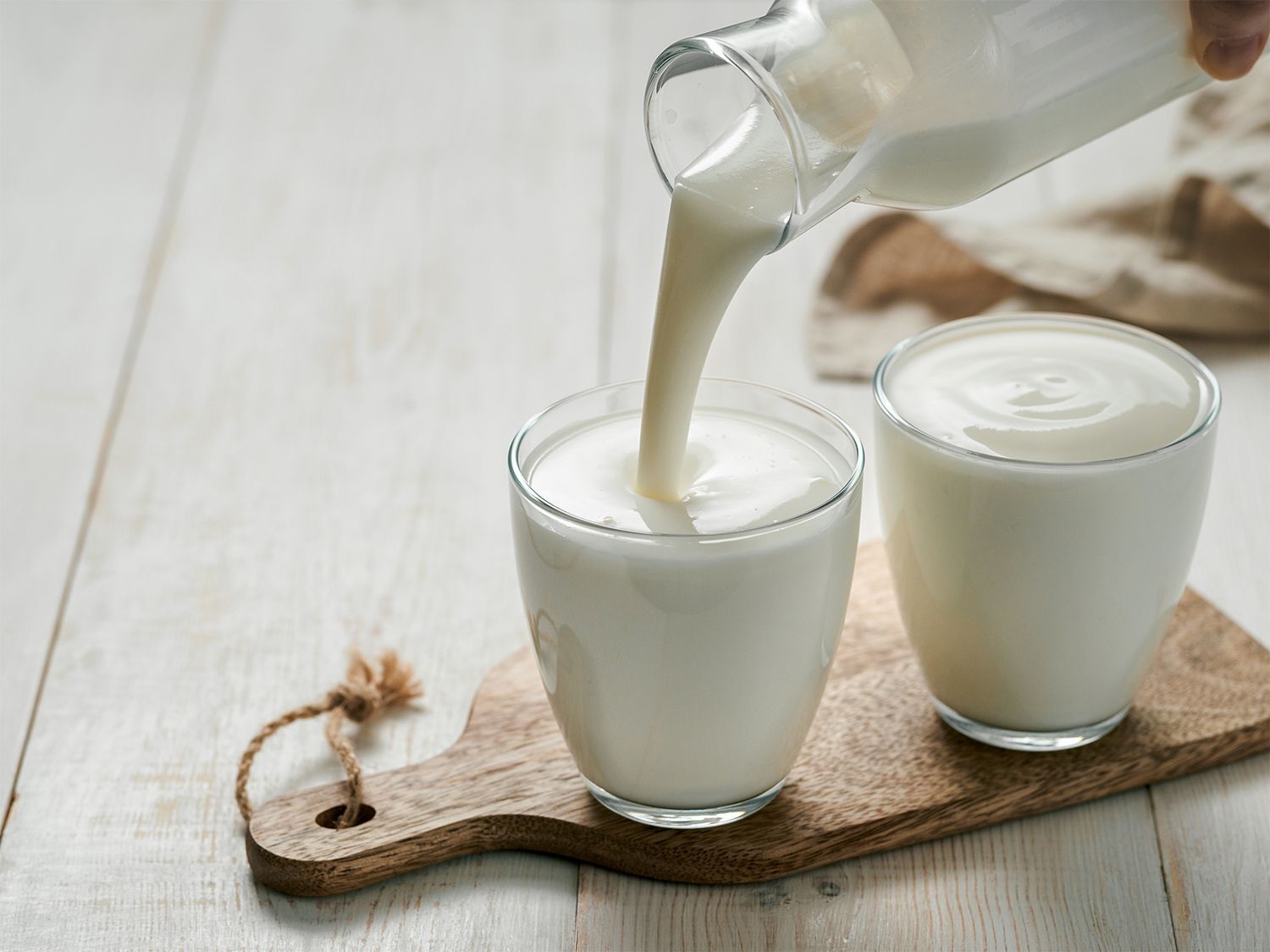
Don't just reach for milk if you want your savory side to come out nice and creamy. Here are a few alternatives to use.
Sour cream
Martha Stewart swears by sour cream in her mashed potatoes. The dense cream adds tanginess or acidity, giving your taste buds a nice zing. But if you feel this is too rich for your liking, thin it out with a bit of milk.
Yogurt
Want a healthier option than cream in your dish? Yogurt, especially the Greek variety, is a dependable substitute for milk, butter, and cream. The best part is that it keeps calorie levels down. You get the same creamy and fluffy results, only better for your waistline.
Cream
Cream is probably the first thing you reach for when making mashed potatoes. Chef Tyler Florence suggests ditching the water and boiling potatoes in butter and cream. This game changer locks in flavor and produces a side that's extra creamy and smooth.
Mayo
Not everybody stocks up on yogurt or sour cream. Odds are, you have some mayo in your pantry. Adding ¼-½ cup mayonnaise with butter and seasonings results in a moist and creamy mashed potato recipe.
Chicken broth and butter
Substitute milk with the umami-packed combo of chicken broth with butter. Cooks who use this trick suggest mixing ½ cup chicken broth with a knob of butter for every pound of potato. Combine these with other ingredients like minced garlic, salt, potatoes, and fresh herbs. This hack is perfect if you want a milk-free, light side dish with your grilled pork chops or roasted chicken.
How to Make Flavorful Mashed Potatoes

Now that you have learned some basic tricks, it’s time to spice things up. Some of these seasonings and mix-ins may already be on your radar, while others might be surprisingly new. Find one that suits your taste.
Spices and seasonings to try out
- Nutmeg: Warm and nutty with a mild hint of sweetness, nutmeg ends a comforting taste to this savory dish.
- Knorr Liquid Seasoning: Add a dash of Knorr Liquid Seasoning to introduce umami to your mash. A little goes a long way with Knorr so remember to season to taste.
- Curry powder: Before you think this odd, it's not. Curry dishes typically contain potatoes, so using the powder to season mash will work without a hitch.
- Truffle salt: Give the side dish a rich earthy flavor with a few shakes of truffle salt.
- Bacon grease: Replace butter with the fat rendered from the bacon. This indulgent seasoning infused with the flavor of your favorite breakfast food is highly addictive. Use with caution!
- Cajun seasoning: A powerhouse of flavors, Cajun seasoning contains pepper, garlic powder, paprika, salt, and cayenne pepper. You can’t go wrong with this one.
Top 3 tasty mix-ins
- Chives: Add at least a tablespoon of freshly chopped chives for every pound of potatoes.
- Bacon bits: Who doesn’t like bacon? Fry a couple of strips and crumble them into your mashed potato. Add extra on top for a crunchy garnish.
- Cheese: Shredded cheddar, grated Parmesan, and cream cheese are some cheesy options you can add to the dish.
Pro tip: You can throw in all three mix-ins to create the ultimate mashed potato side!
Now you have zero excuses for making flavorless mashed potatoes. But this doesn’t mean you should pile on seasonings and mix-ins without working on the foundation first. Once you have perfected the consistency, any herb or spice you add to your mash takes it to the next level. Ready to get creative in the kitchen?


Related Articles




- slide 1
- slide 2
- slide 3
- slide 4
As seen on






- slide 1
- slide 2
- slide 3
- slide 4
- slide 5
- slide 6