Skip to:
Sign up for a more personalized Recepedia experience.
Already a member?

Added to your kitchen!
You can save 2 more recipes to your kitchen. Register to save more and make cooking a breeze!
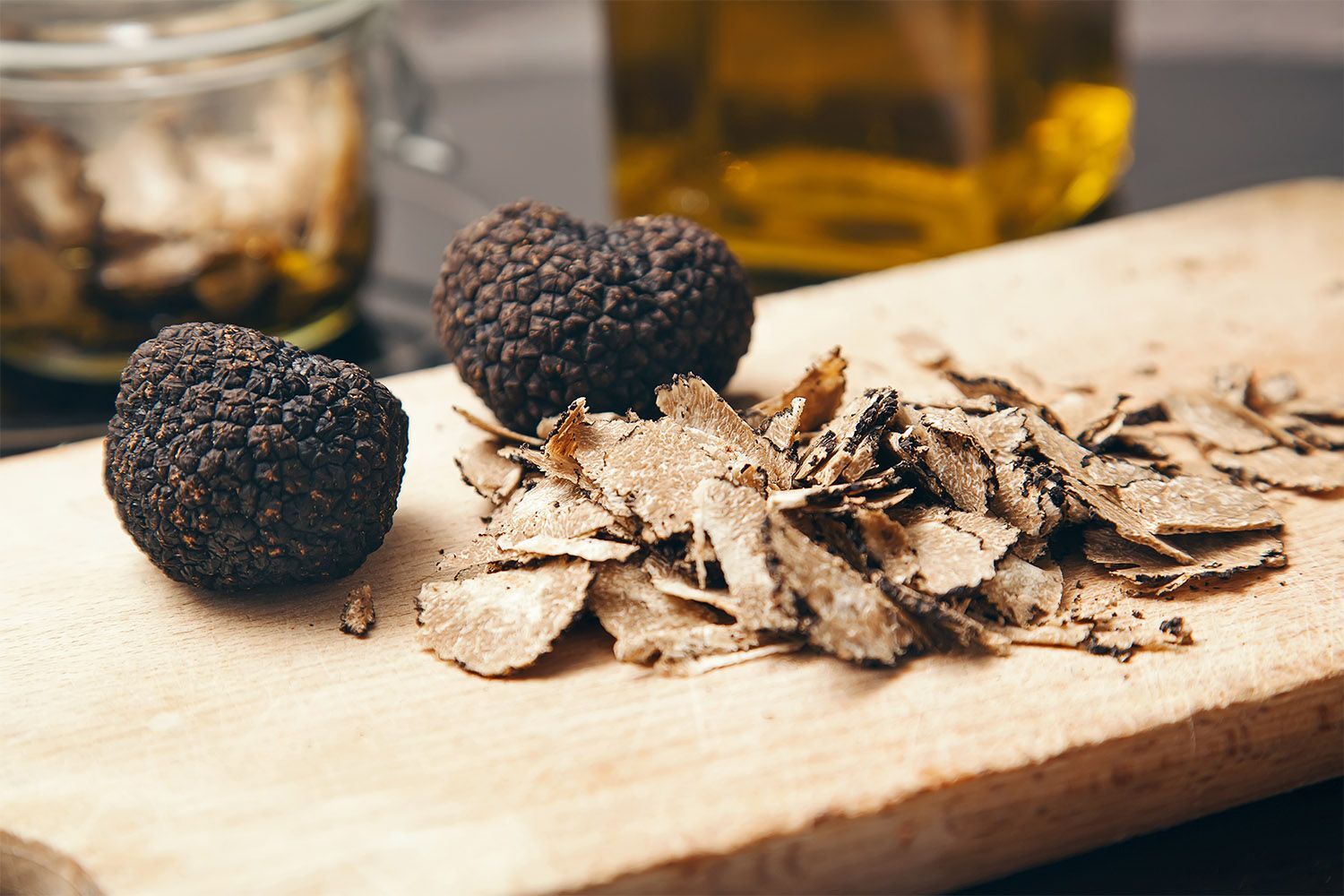
Truffle Oil Has No Truffles? 9 Food Myths Debunked
5
Mins Read

Last Updated:
19/10/2026
Published:
29/10/2024
Fresh truffles are not easy to find.
Truffles are one of the most expensive ingredients in the world – and with good reason. The edible fungus is difficult to cultivate and challenging to find in the wild. Thankfully their strong flavor means a little goes a long way. And commercial products, like truffle oil or paste, help ration out the prized product.
Unfortunately, there are several issues concerning truffle oil. Thanks to misinformation, it even faced backlash in the ’90s. It's time to set the record straight. Here's everything you need to know about the luxe oil.
What Is Truffle Oil?
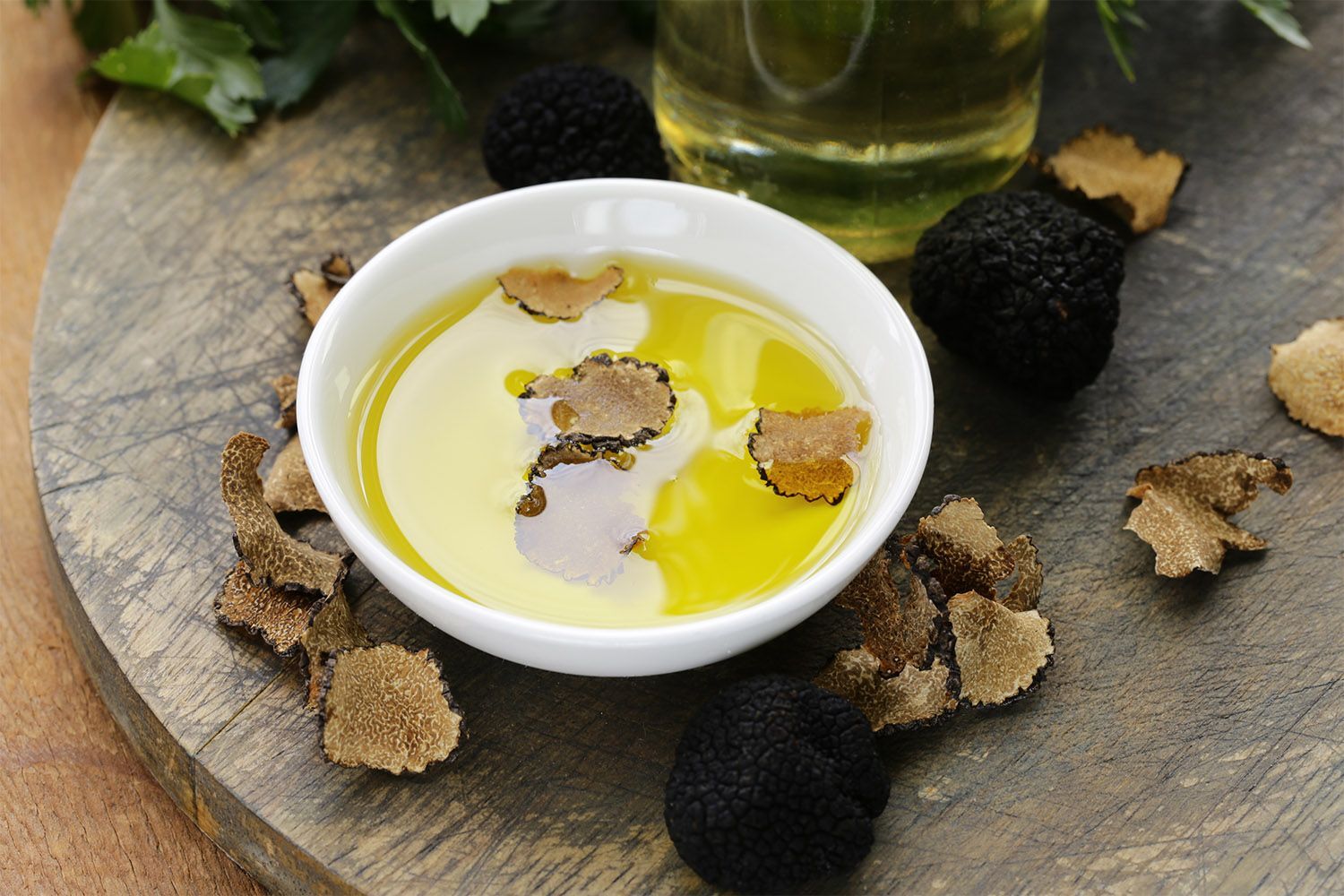
All infused oils start with a neutral base like grapeseed, sunflower, or olive oil that acts as a flavor carrier. Integrating flavoring into base oils helps draw out more decadent tastes. In this case, either white or black truffles are the flavor agents.
Authentic truffle-infused oil comes from steeping fresh truffles in olive oil. Unlike synthetic varieties, natural infusions aren’t shelf-stable and only last 2-3 days at most. It’s best to make them in small batches and to use them immediately.
Debunking Truffle-Infused Oil Myths

Many rumors are circulating about this infused truffle product. Here are some myths and the truths behind them.
Myth #1: Truffle-infused oil contains truffles.
Sadly, most commercial infused oils do not contain truffle. Why does a synthetic version exist? Truffles are hard to grow and difficult to harvest. To replicate the aroma, manufacturers infuse olive oil with the chemical 2,4-Dithiapentane. This process also makes the condiment more affordable and shelf-stable.
Myth #2: You can use the oil for frying.
Never use this oil for frying or cooking. Unlike other types of oil, chefs only use truffle-infused oil to introduce extra flavor to mild-tasting food. The flavor changes the moment the oil comes in contact with heat. You also risk losing its distinct earthiness.
Myth #3: The oil is only for pasta.
Want to learn how to use truffle oil in everyday food items and recipes? Here are some ideas that go beyond pasta dishes:
- Popcorn – Cook popcorn on the stovetop or microwave and spritz the popped snacks with oil mixed with melted butter and salt.
- Pizza – Take pizza slices up a notch by finishing them with truffle oil.
- Salad – Combine truffle-infused oil, vinegar, mustard, honey, olive oil, and white wine vinegar to make a vinaigrette for a roasted veggie salad.
- Risotto –Enjoy a delicious rice dish by mixing butter, oil, Parmesan, and milk into cooked risotto.
- Soup – Finish creamy and hearty soups with oil. Try this trick with recipes like squash soup or minestrone.
- Eggs – Whether scrambled, deviled, poached, or fried, egg recipes benefit from spritzes of truffle-infused oil for an easy upgrade.
- Potatoes – Make restaurant-style truffle fries at home. You can also infuse baked potatoes, mashed potatoes, or marble tater salads with the tasty condiment.
- Dips – Create truffle aioli by combining 1 tablespoon truffle-infused oil, 1cup Lady’s Choice Real Mayonnaise, lemon juice, and grated garlic. Use it as a dip for chips, fries, carrots, and celery sticks.
Myth #4: You can drizzle as much truffle-infused oil as you want.
Less is more when it comes to this oil! Truffles are like anchovies or green olives; you only need a little to enhance flavors. Adding too much will only ruin the taste of dishes.
Myth #5: Making a homemade infused oil is easy.
It's not uncommon to infuse oils with herbs and spices. But experts suggest buying instead of making them at home. The reason is that homemade oils can develop bacterial growth due to improper sterilization. Don't risk getting botulism and buy from trusted manufacturers instead.
Myth #6: Refrigerated truffled oil will never go bad.
Although refrigeration can prolong the shelf life of many food items, including truffle oil, it does not stop them from going bad completely. The oil might become rancid after six to eight months in the fridge. Discard the bottle if you notice any odor, flavor, or appearance changes.
Myth #7: Refrigeration causes the oil to lose its flavor.
Storing a bottle of truffle-infused oil in the refrigerator may lead to the liquid solidifying and becoming cloudy. But it doesn’t affect flavor. Unless the oil is beyond its expiration date, there should be no change in its taste and quality.
Myth #8: You can keep the oil unrefrigerated.
You can keep the oil at room temperature. But make sure to keep the bottle in a dark area of your pantry. Compared to chilled truffle condiments, however, room temp infused oils only last for 3 months. If improperly stored, an opened bottle can lose its distinct aroma and flavor.
Myth #9: Unopened oil bottles do not spoil.
Wrong! Even when sealed, the oil can go rancid within six months. Keep the bottle in a cool, dry place if you intend to store the flavored oil for several months.
Remember: truffle oil is not for cooking. Instead, maximize the condiment's full potential when you use it to finish various dishes. Spend some time researching the best brands available to you. You only want the best quality to level up your home-cooked meals.


Related Articles



- slide 1
- slide 2
- slide 3
- slide 4
As seen on






- slide 1
- slide 2
- slide 3
- slide 4
- slide 5
- slide 6