Skip to:
Sign up for a more personalized Recepedia experience.
Already a member?

Added to your kitchen!
You can save 2 more recipes to your kitchen. Register to save more and make cooking a breeze!
A Frozen Food Guide: From Storage Times to Safety Tips
6
Mins Read

Last Updated:
19/10/2026
Published:
29/10/2024
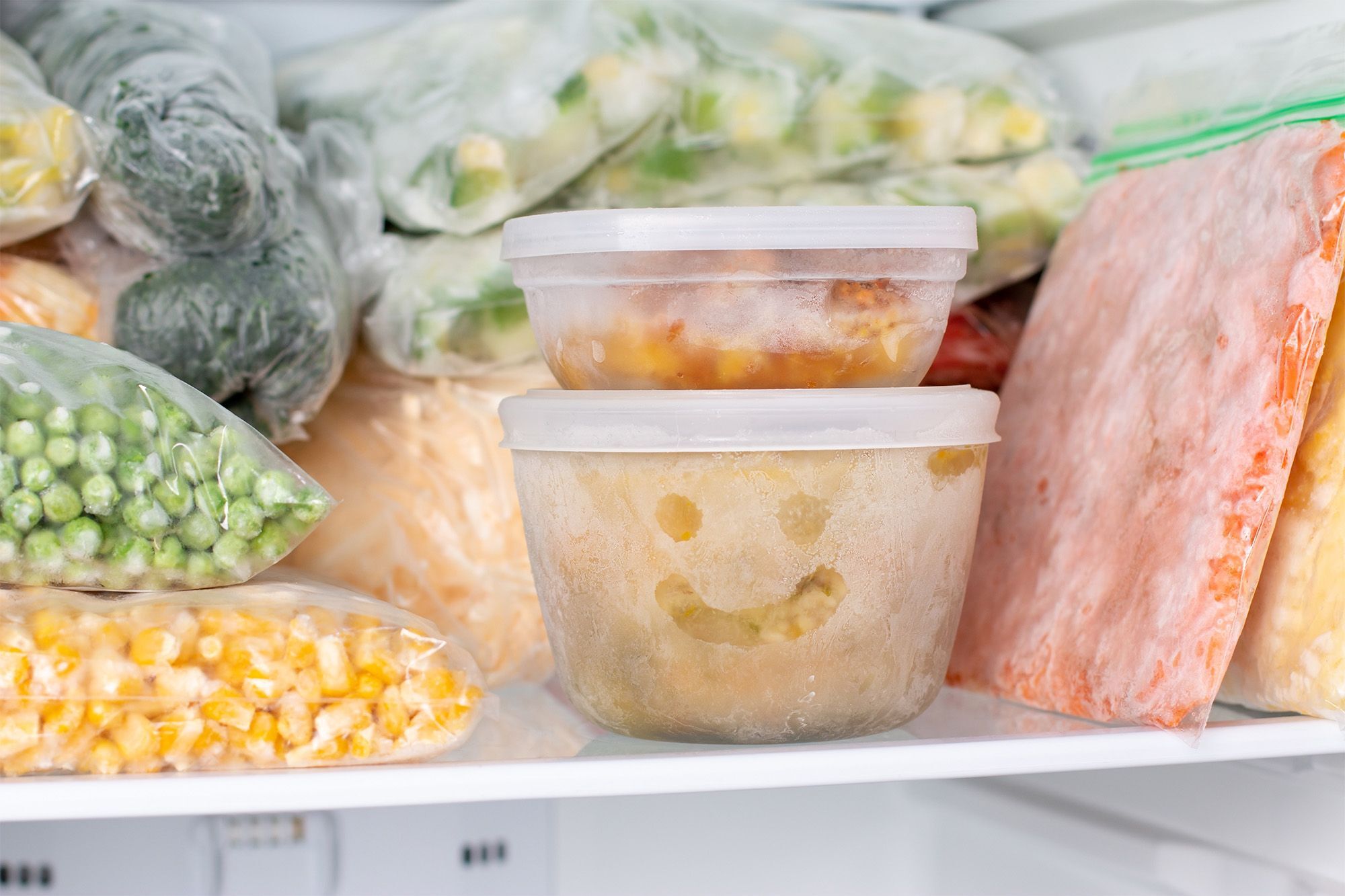
Resealable bags have always been a go-to storage container for freezing food.
Everyone from cookbook writers to grandmas swears by the freshest ingredients in recipes. But is it necessary? The truth is you can make equally tasty and nutritious meals with frozen food. Don't limit yourself to icy bacon or peas. You can put anything in your freezer to extend its shelf-life.
Apart from purchasing items already frozen, you can freeze raw and cooked food on your own. Are you curious to learn the advantages of frozen food? Here's how you can start this practice and stretch your chicken tinola or nilaga for months.
General Guidelines for Freezing Food
Sanitation and safety are crucial if you want your frozen items to last. Read on for food handling practices for frozen goods.
Keep food cold.
Keep a close watch on your freezer’s temperature. The optimum frozen food temperature needs to be at 1.4°F (-17°C). For accuracy and safety purposes, use a freezer thermometer.
Refrain from putting hot food in the freezer.
Always allow food to cool completely before freezing. Putting warm or hot food in the freezer changes the temperature of the entire space, compromising already frozen items and making the appliance work harder to sustain 1.4°F.
Wrap and seal food properly.
Plastic wrap, freezer bags, foil, and airtight containers protect food from freezer burn. If you use bags, remove as much air as you can – vacuum seal, if possible.
Store the food far from the door.
You're not going to lock away your freezer. Opening the freezer door causes temperature fluctuations. The back of the compartment usually has a more stable temperature, making it safer for your food.
Portion food for freezing.
If freezing in bulk, separate the food into portions. It saves you from unnecessarily defrosting the entire thing – which can compromise safety. Just defrost enough for the number of people eating.
Label your food.
Label containers to avoid surprise soups and mystery meats of unknown origins or age. No one wants to bite into freezer-burned food! Find a waterproof marker or sticker and clearly indicate the dish's name and the date you froze it.
How to Freeze Food Correctly

Freezing food is easy enough. Here are five easy steps to get you started.
Step 1: Cool food before storing it in the freezer.
Step 2: Use freezer-safe bags and containers for storing food. The former is thicker than regular zip-top bags.
Step 3:Flatten the freezer bag and its contents to help speed up freezing and thawing. Rounded shapes or lumps take longer to defrost thoroughly. Flattened packages also stack better, allowing you to utilize space more efficiently.
Step 4:When labeling, make sure to include the following:
- Name of food
- Packing date
- Serving size
- Specific information like heating instructions or special ingredients
Step 5:Know how to thaw food correctly. Thaw perishable items by leaving them in the fridge overnight. However, note that some food items do not need to thaw to room temperature.
Avoiding Freezer Burn
Freezer burn is why you should release as much air as possible from your container. Cold, dry air sucks out the moisture of your food, giving it an icy, dehydrated look. While you can still eat freezer-burned food, the taste and texture will be different.
For bags, a quick trick is to stick a straw in the corner and then suck the air out. You can also submerge your bag in water till just below the opening. The water pressure will push the air out.
With containers, cover the food's surface with cling film or foil. It prevents the food from forming ice crystals when it encounters air.
Frozen food storage timetable
Knowing how long you can keep certain items frozen reduces waste and boosts savings. Here is a quick guide on how long you can freeze staple pantry items.
- Cheese – Most cheese varieties can be frozen for up to six months. The exception is cottage cheese, cream cheese, feta, fresh mozzarella, Parmesan, and goat cheese which should be kept in the fridge.
- Butter – Stock up and store butter in your freezer for six to nine months.
- Ice cream – Despite being a frozen treat, Selecta Super Thick Vanilla Ice Cream and other flavors are best between one to two months.
- Milk – Three months is your window for this dairy product.
- Seafood – The general timeframe for storing seafood is two to six months. However, this depends on the variety. It will help if you consume fatty fish like salmon and mackerel within two to three months. Meanwhile, clams, scallops, shrimps, and oysters can last three to six months. Leaner fish can go up to six months and still taste terrific.
- Fresh fruits – Lots of fresh fruits can go up to a year in the freezer. The exceptions are avocados and bananas, which are suitable for two months.
- Fresh vegetables – Most vegetables can keep for up to 12 months. Tomatoes, however, can keep for only two months, while salad greens, cucumbers, celery, and cabbages should stay in your crisper or chiller.
- Meat and poultry – Raw meats, when stored properly, are consumable for up to a year. Cooked meats can go for half a year. On the other hand, processed items like sausage, hotdogs, and bacon are good for one to two months.
- Cakes, pastries, and cookies – Baked goods can still taste amazingly fresh for up to six months. Raw cookie or bread doughs are good for two months. Anything beyond this requires you to make a new batch.
3 Advantages of Frozen Food

1. It helps you preserve ingredients.
Freezing is a great way to store ingredients you buy in bulk or for items you try to save before they go bad. When you freeze ingredients properly, you can extend their shelf life.
2. You can enjoy year-round seasonal ingredients.
Veggies and fruits are always best when in season. However, freezing allows you to relish seasonal produce throughout the year.
3. You always have dinner options.
It's not uncommon to have leftovers. Some of these viands can last days in the fridge. But if you don't intend on eating the same viand consecutively, you can always freeze the extras. The next time you can't cook, reach inside your freezer for meals to heat up.
Contrary to popular belief, the differences between fresh and frozen food are minimal. Studies show that freezing is better at retaining vitamins and minerals in food. Try out this clever technique yourself. Use freezing as an efficient and cost-effective method to stock up on food.


Related Articles


- slide 1
- slide 2
- slide 3
- slide 4
As seen on






- slide 1
- slide 2
- slide 3
- slide 4
- slide 5
- slide 6