Skip to:

The Complete Guide to Gochujang, Korea’s Fermented Chili Paste
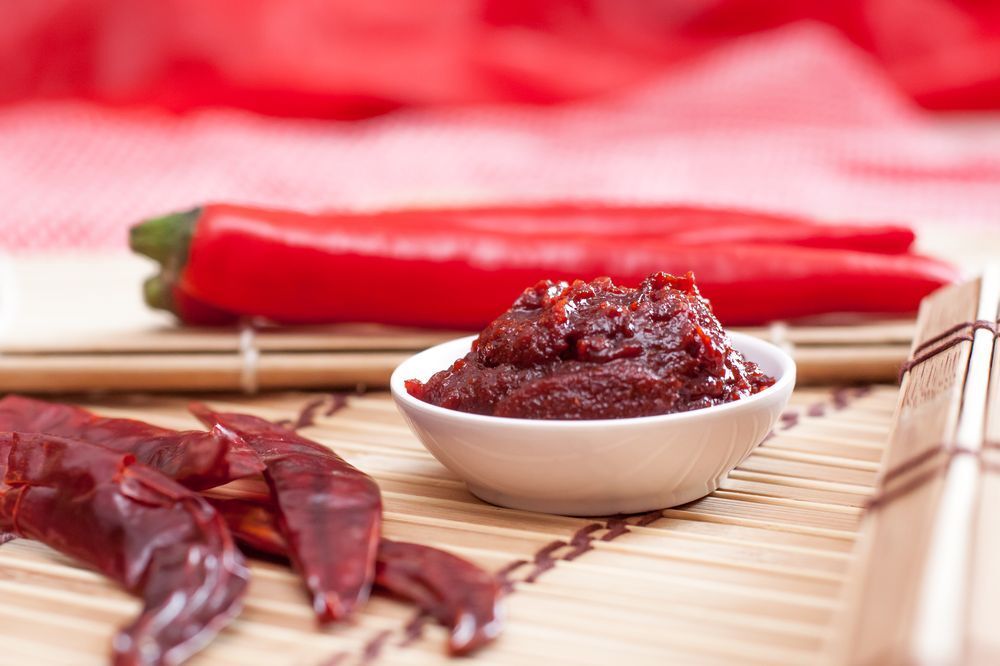


Gochujang is a fermented chili paste with a savory, spicy, and subtly sweet flavor. It’s one of the essential seasonings in Korean cooking and gives many dishes their signature depth and richness.
Its concentrated flavor also works well with ingredients familiar to Filipino home cooks. Use a small spoonful in chicken, pork, beef, seafood, or vegetable dishes for a Korean twist. This guide explains what gochujang is, what goes into it, how traditional versions are made, and how to use it at home.
What Is Gochujang?
Gochujang has long been one of Korea’s principal fermented seasonings. Traditional gochujang ingredients include Korean chili powder (gochugaru), glutinous rice, fermented soybeans, and salt. Barley malt is also commonly used during traditional preparation.
The mixture ferments for several months, developing its characteristic heat, sweetness, and deep umami. The rice and soybean solids give the paste its thick consistency, while fermentation develops its layered savory, sweet, and mildly tangy character.
Gochujang Ingredients
Traditional gochujang is made with just a few key ingredients. Together, these ingredients create the paste’s distinctive flavor and texture.
-
Korean chili powder (gochugaru): Gives gochujang its vibrant color and mild, smoky heat.
-
Fermented soybean powder (mejugaru): Adds the rich umami flavor that develops further during fermentation.
-
Glutinous rice: Contributes natural sweetness and helps create the paste’s thick, sticky consistency.
-
Salt: Seasons the paste and supports the fermentation process.
-
Barley malt powder: Helps convert the rice starches into sugars, which contributes sweetness and supports fermentation.
-
Rice syrup (optional): Some modern preparations use rice syrup to adjust the sweetness and consistency.
How Traditional Gochujang Is Made
Traditional gochujang requires several preparation and fermentation stages. The exact method varies by household, region, season, and recipe.
- Glutinous rice or another grain is cooked and combined with barley malt liquid, which helps convert the starch into natural sugars.
- Gochugaru, fermented soybean powder, and salt are mixed into the sweetened grain base.
- The mixture is transferred to a clean earthenware jar or another suitable fermentation vessel.
- It’s aged for several months while being protected from rain, insects, excess moisture, and other contaminants.
- During fermentation, the paste gradually develops a deeper color and a more complex balance of sweetness, saltiness, heat, and umami.
Making traditional fermented paste at home requires a tested formula and careful control of sanitation, salt levels, and storage conditions. Home cooks who want a quicker option can learn how to make gochujang sauce by starting with ready-made paste and adding seasonings to suit the dish.
Is Gochujang Healthy?
Gochujang can add strong flavor in small amounts, but its nutritional profile varies by brand and recipe. Commercial products may contain considerable sodium and added sweeteners, so check the nutrition label and use the paste according to your dietary needs.
Although gochujang is fermented, it should not automatically be treated as a probiotic food. Processing and storage conditions differ, and some products may not contain meaningful amounts of live microorganisms by the time they are eaten.
12 Recipes Using Gochujang
Gochujang can season a braising liquid, anchor a marinade, thicken a dipping sauce, or sharpen a bowl of noodles. These recipes showcase different types of food with gochujang, from rice bowls and stir-fries to soups and braises.
1. Bibimbap
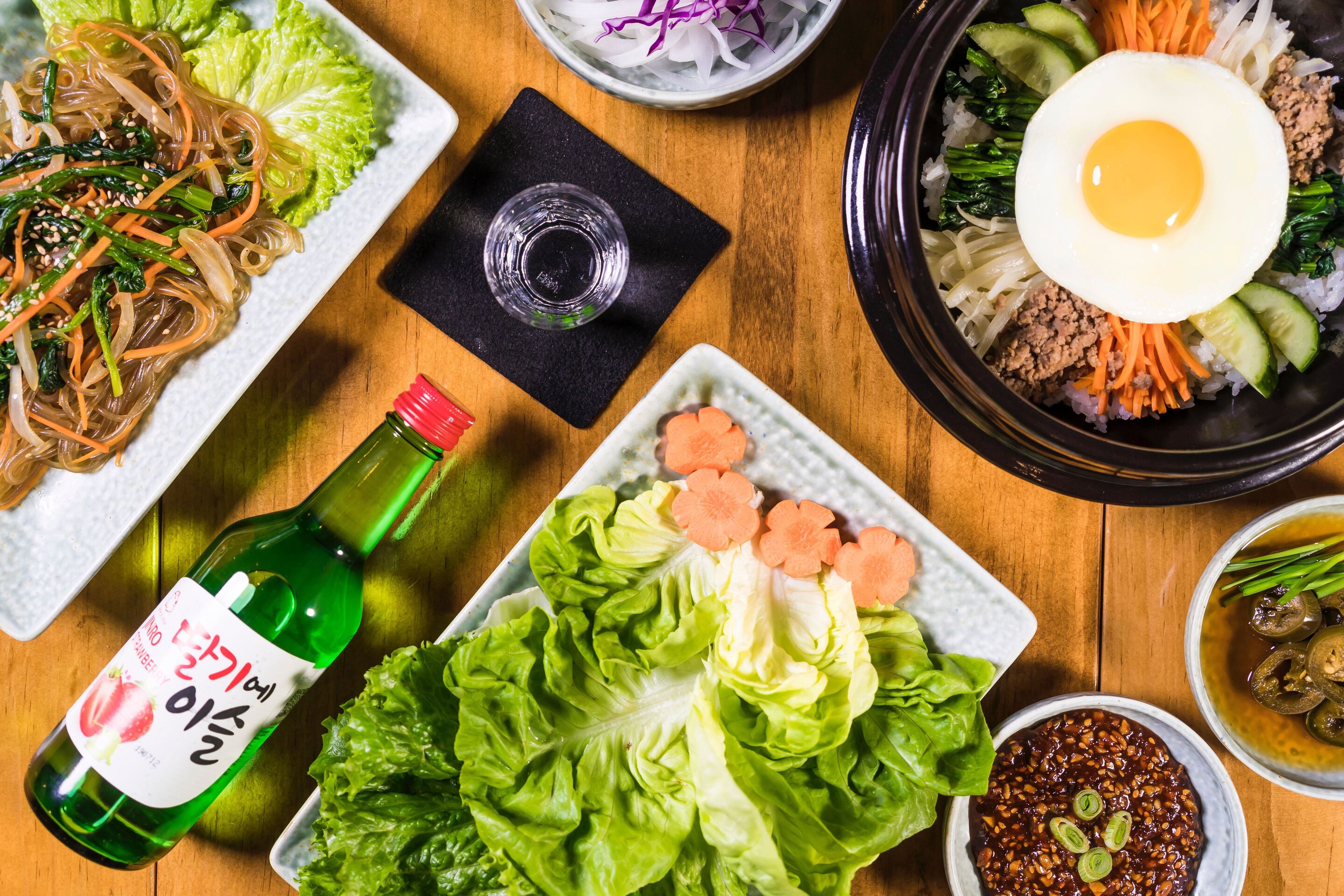
Bibimbap brings together rice, vegetables, beef, and egg in one bowl. A spoonful of gochujang ties every ingredient together with spice, sweetness, and umami.
2. Korean fried chicken wings
A gochujang glaze gives Korean fried chicken wings a glossy coating with sweetness, acidity, and controlled heat. Brush or toss the sauce onto the wings shortly before serving to help the coating stay crisp.
3. Tteokbokki
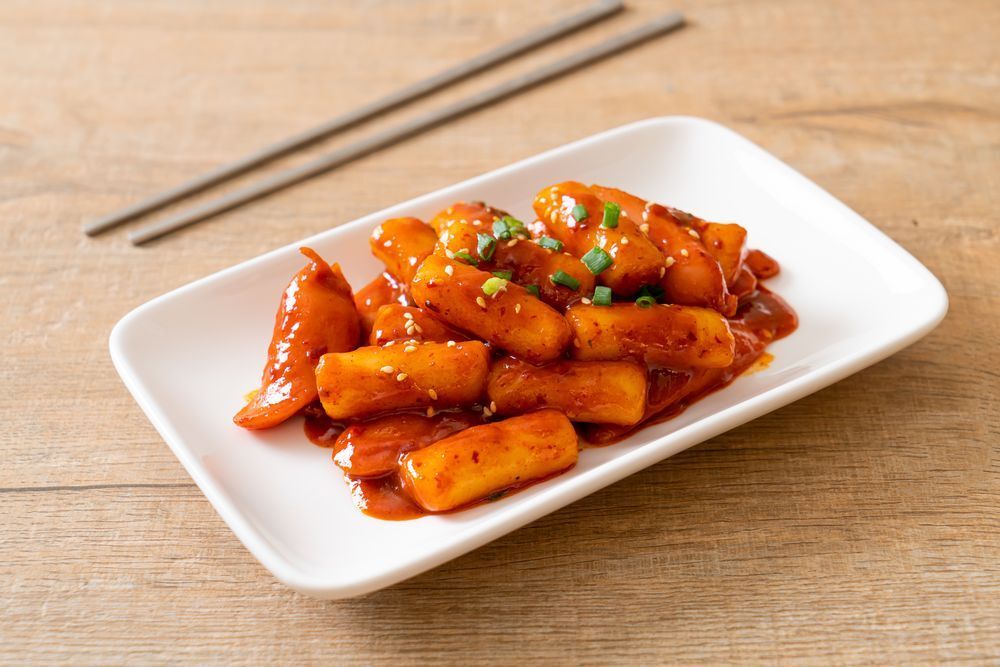
Tteokbokki depends on gochujang for its signature sweet-spicy sauce that coats every rice cake.
4. Korean-style adobo
A Filipino classic takes on Korean flavors in this adobo recipe. Gochujang blends with soy sauce, vinegar, and Knorr Chicken Cube to give the sauce mild heat, sweetness, and greater body.
5. Spicy galbi jjim
In spicy galbi jjim, gochujang dissolves into the braising liquid as the beef short ribs cook. The long simmer mellows the chili paste and gives the sauce enough body to cling to the meat.
6. Kimchi sinigang
Kimchi and gochujang shift sinigang in a distinctly Korean direction. The fermented chili paste supports the broth’s sourness without masking the flavor of the kimchi.
7. Dakgalbi
Dakgalbi cooks chicken, cabbage, sweet potatoes, and rice cakes in a gochujang-based seasoning mixture. As the liquid reduces, the sauce thickens and coats the ingredients.
8. Jeyuk bokkeum
Jeyuk bokkeum features thin slices of pork stir-fried with onions, vegetables, and a gochujang-based marinade. High heat helps the sauce reduce quickly without overcooking the pork.
9. Bibim guksu
Bibim guksu is served cold with a dressing made from gochujang, vinegar, sesame oil, and sweetener. The acidity loosens the dense paste and keeps the noodles from tasting heavy.
10. Spicy egg drop tofu soup
Gochujang adds color and gentle heat to this egg drop tofu soup without overpowering the silky eggs and delicate tofu.
11. Ojingeo bokkeum
Ojingeo bokkeum pairs squid with vegetables and a spicy gochujang seasoning. Fast cooking keeps the squid tender while the sauce lightly coats its surface.
12. Budae jjigae
Developed in the period following the Korean War, budae jjigae combines kimchi, noodles, tofu, sausages, luncheon meat, and vegetables. Gochujang seasons and thickens the broth as the ingredients simmer.
Tips for Cooking With Gochujang
Gochujang is a concentrated paste, so a little can make a noticeable difference.
Start with a small amount of gochujang.
Begin with one or two teaspoons, then add more after tasting. Heat, sweetness, and saltiness can vary by brand, so gradual seasoning gives you better control.
Thin the gochujang before using it as a sauce.
Straight from the tub, gochujang is usually too thick for drizzling or coating evenly. Loosen it with water, broth, vinegar, sesame oil, soy sauce, or another liquid that suits the dish.
Balance gochujang with acid or sweetness.
Vinegar, calamansi, or lemon juice can brighten its dense flavor. A small amount of sugar, honey, or syrup can soften the heat and round out the sauce.
Watch the salt level.
Gochujang already contains salt, and many recipes also include soy sauce, doenjang, or other salty seasonings. Taste before adding more so the finished dish stays balanced.
Avoid burning sugary marinades.
Gochujang marinades often contain sugar or syrup, which can scorch over high heat. Cook over moderate heat, turn the food often, or brush on extra sauce near the end.
Refrigerate gochujang properly.
After opening, keep gochujang tightly sealed in the refrigerator and follow the storage instructions on the package. Always use a clean, dry spoon to help maintain its quality.
From marinades and sauces to soups, stews, and rice bowls, gochujang brings depth and balance to countless dishes. Start with the recipes in this guide, then continue experimenting with this Korean pantry staple.