Skip to:
Sign up for a more personalized Recepedia experience.
Already a member?

Added to your kitchen!
You can save 2 more recipes to your kitchen. Register to save more and make cooking a breeze!

A Crunchy Bagnet Recipe, the Star of Every Pinoy Party
3
Mins Read

Last Updated:
19/10/2026
Published:
24/03/2023
Any well-made bagnet recipe should be flavorful inside and out. But sometimes, serving the crunchy pork belly alone does not suffice. Guests start asking for something to give it more flavor. When this happens, many cooks go the extra mile and add the lechon belly to a paskiw, bagnet kare kare, or bagnet sisig recipe.
However, others are happy to settle for dipping sauces. Spiced vinegar, lechon sauce, and toyomansi are on top of most people’s chicharon bagnet sawsawan list. But did you know there’s one condiment that Ilocanos favor over everything else? KBL? Kamatis, bagoong, and lasona (native onion) is an umami-rich relish that pairs well with anything fried, grilled, or steamed. If you haven’t tasted this Ilocano favorite, now’s your chance. Check out this recipe for bagnet plus your soon-to-be favorite dip.
Ingredients for Bagnet with KBL Sinigang sa Sampalok
For the bagnet:
- cooking oil
- 1 head garlic, minced
- 1 pc onion, peeled and quartered
- 2 kg pork belly, cleaned and cut into 2-inch-thick cubes
- 1 bay leaf
- 2 tbsp salt
- ½ tbsp black peppercorns
For the KBL sauce:
- 1 pc onion, peeled and cut into strips
- 3 pcs tomatoes, cubed
- ½ liter pork broth (½ Knorr Pork Cube dissolved in ½ liter water)
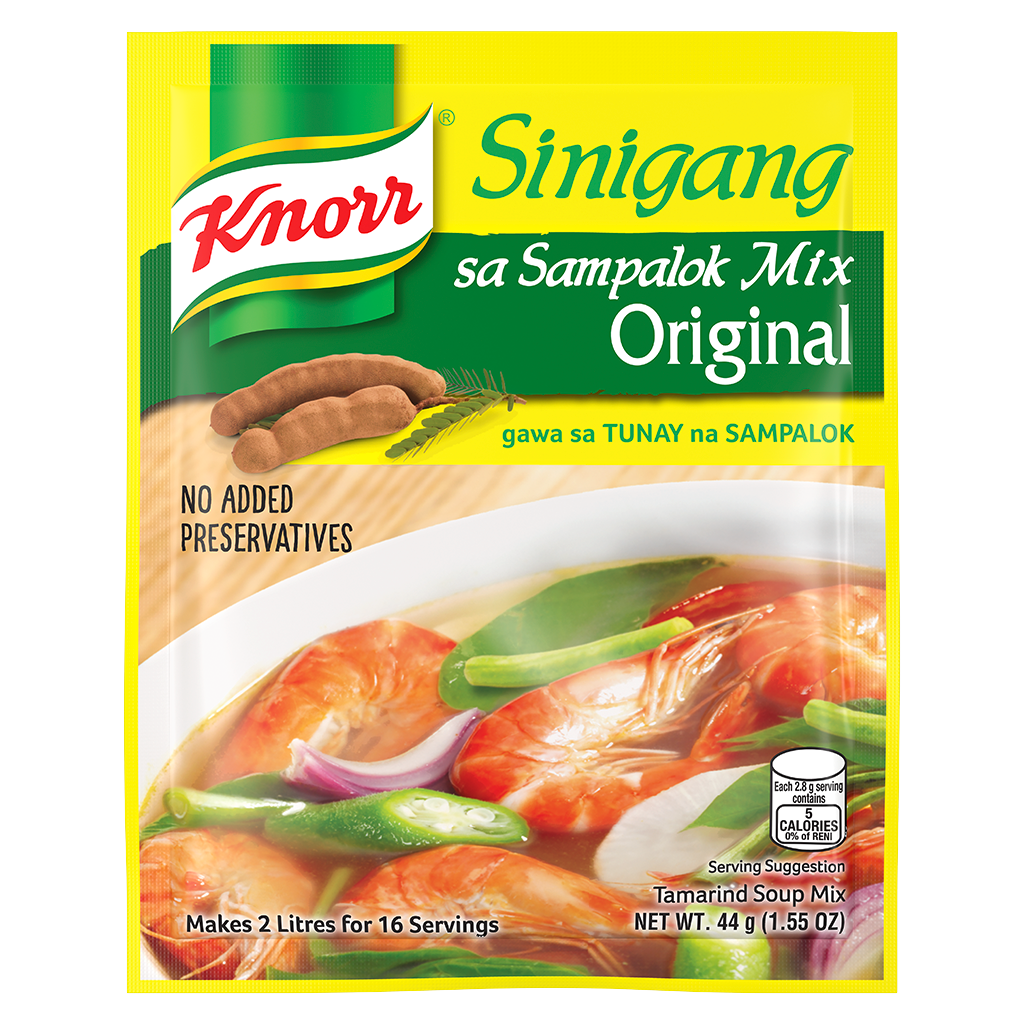
- 10 g (½ pack) Knorr Sinigang sa Sampalok Mix
- 2 tbsp bagoong balayan
- 1 tbsp cornstarch (dissolved in hot water)
- Knorr Liquid Seasoning
- salt and pepper, to taste
How to Cook Bagnet with KBL Sauce
Step 1
Make the bagnet: Heat oil in a pot deep enough to fit the meat. Sauté garlic and onions.
Step 2
Once the garlic is browned and the onions are translucent, add pork. Fill pot with enough water to cover the meat. Add bay leaf, salt, and peppercorns. Bring to a boil.
Step 3
Lower heat and simmer for 30 minutes. Remove impurities floating on the surface. Drain pork and prick its skin before patting it dry with a paper towel.
Step 4
Heat more oil in a deep pan over low flame. Deep-fry pork belly until slightly browned. Let cool at room temperature, and then chill in the refrigerator overnight.
Step 5
Once ready, deep-fry pork over high heat until crispy and golden brown. Set aside.
Step 6
Make the KBL sauce: Sauté onions and tomatoes in a pan. Add pork broth and sinigang mix. Mix well.
Step 7
Add bagoong balayan and dissolved cornstarch. Stir until smooth. Add a few dashes of Knorr Liquid Seasoning, salt, and pepper to taste. Serve bagnet with KBL sauce.
The best bagnet recipe aims for tender and juicy pork with crunchy outer skin you can dip in KBL. Traditionally, the sauce doesn't need cooking, but its flavors can be too intense for first-timers. Try this tangy version next time you want to introduce regional flavors. Make the meal for your next get-together and watch as guests take extra spoonfuls of KBL to put over their rice.

Related Articles

- slide 1
- slide 2
- slide 3
- slide 4
As seen on






- slide 1
- slide 2
- slide 3
- slide 4
- slide 5
- slide 6